An aging bridge or walkway doesn’t always need to be replaced. We assess the technical condition of the existing structure and compare renovation with replacement based on structural condition, maintenance, service life, and total life-cycle cost. This way, you receive objective, material-neutral advice and can choose the solution that makes the most sense both technically and economically.
Common problems with an existing bridge
Steel with compromised corrosion protection.
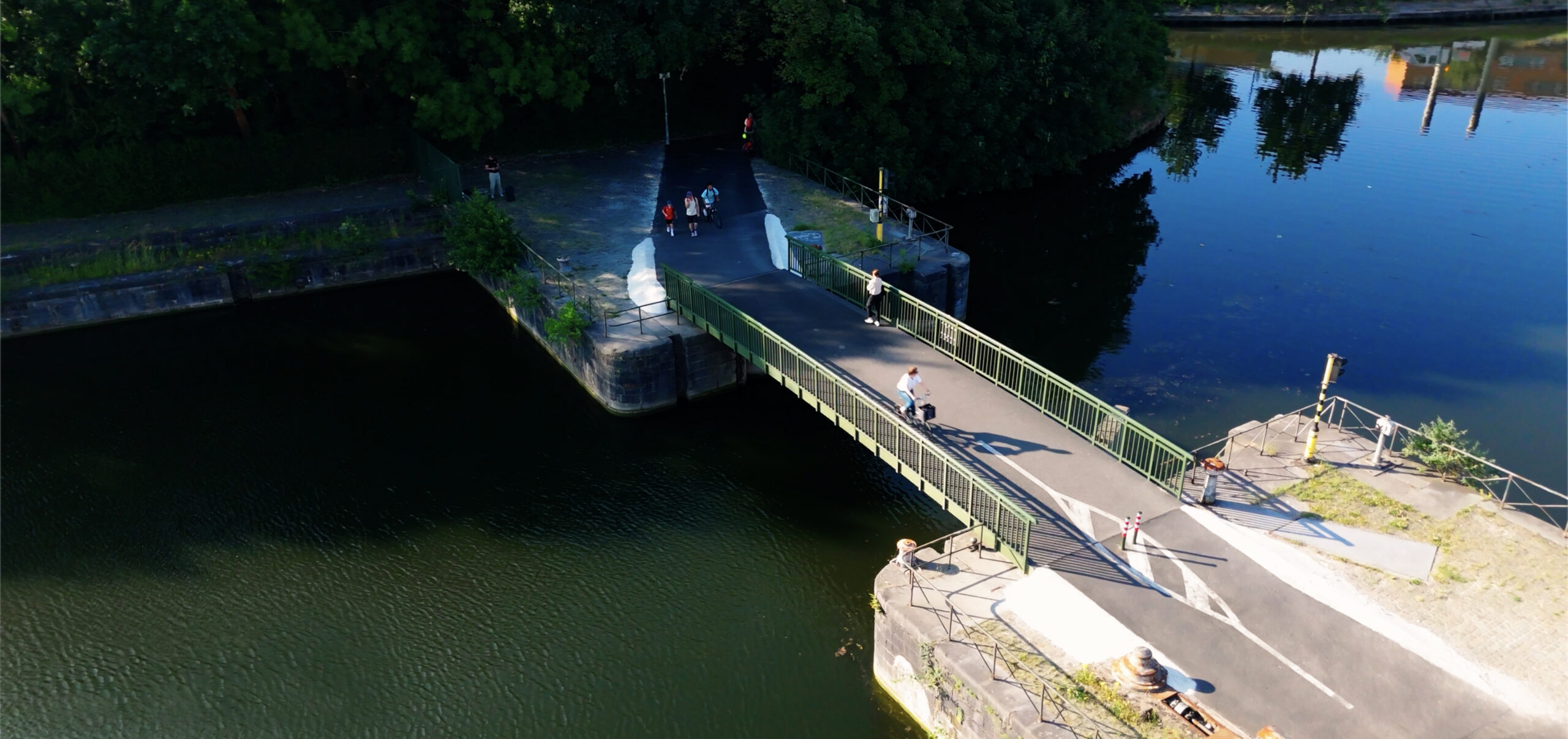
BestBridges inspects your bridge and assesses the technical condition of the structure. In doing so, we pay particular attention to rust, corrosion, wear and tear, fatigue, damage to the load-bearing structure, and other potential defects. In addition, we assess whether the bridge still meets current load requirements and is suitable for its intended use. Based on the inspection, you’ll receive clear technical advice on maintenance, renovation, reinforcement, or replacement, so you can make informed decisions for the future.
Decks and beams that are losing their load-bearing capacity.
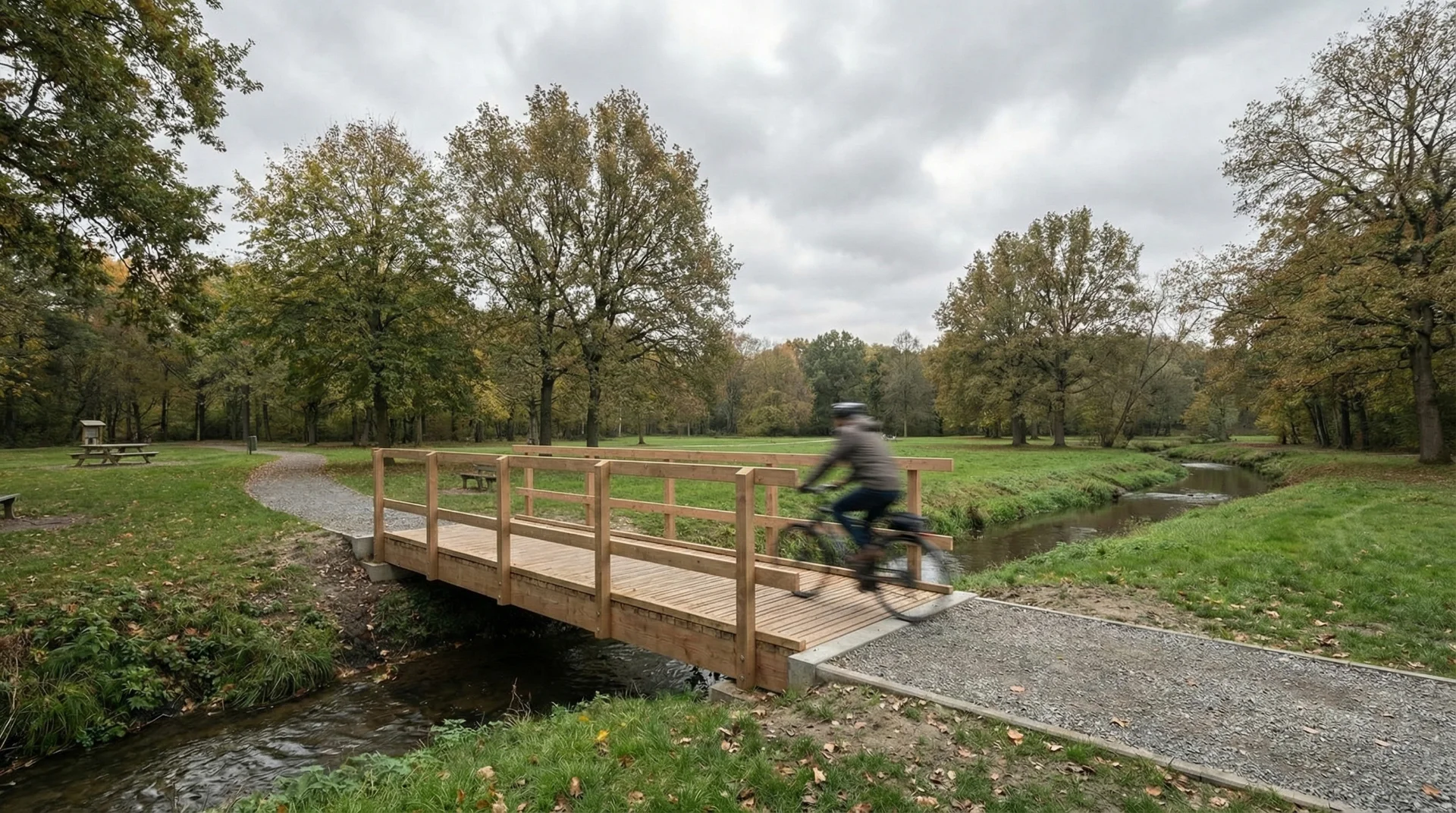
For wooden bridges, we inspect the structure for wood rot, moisture damage, cracking, and damage caused by mold and insects, as well as the overall condition of the load-bearing elements. Where necessary, we conduct targeted measurements to determine the deflection and the extent of the damage. Based on this, we assess whether the bridge or walkway needs to be partially repaired or reinforced, or whether a complete replacement is the most appropriate solution.
Slippery surfaces, holes, usability issues.
A damaged bridge deck not only affects the bridge’s appearance, but also its safety, durability, and ease of use. During our inspection, we assess the deck’s wearing course, flatness, drainage, the condition of the mechanical fasteners, and any cracks, deformations, or other damage. In addition, we verify whether the bridge deck still meets current load-bearing requirements and is suitable for future use. Based on our findings, we recommend whether localized repairs, replacement of the bridge deck, or a complete renovation of the bridge is the safest, most durable, and most cost-effective solution.
When the bridge no longer meets the applicable requirements.
When a bridge no longer meets the required load-bearing capacity or has been deemed unsafe, we investigate the cause of the problem. We assess the load-bearing structure, the material quality, the connections, and the bridge’s current load-carrying capacity. If necessary, we perform a structural recalculation in accordance with applicable standards and the desired service load. In addition, we measure any deflection, settlement, deformation, twisting, and deviations in the structure and assess whether these remain within the design and regulatory limits. Based on our analysis, we recommend whether the bridge can remain in safe use, can be reinforced, should have its load capacity restricted, or must be completely replaced.
Find out when to choose between renovation and replacement
First, we objectively assess whether renovation is still feasible from both a technical and economic standpoint. Next, we work with you to explore possible renovation solutions, material options, and current technical requirements.
| Aspect | How do we assess this? | What do you receive? |
|---|---|---|
| Foundations and abutments | Visual inspection, available plans, cracking, settlement, and stability of the bridge or walkway. If necessary, we advise further investigation. | Advice on preserving, repairing, strengthening, or replacing the foundations or abutments. |
| Load-bearing structure | Inspection of the load-bearing structure for corrosion, wood rot, cracking, fatigue, deflection, and connections. | An assessment of the structural condition and an indication of the remaining lifespan. |
| Bridge deck or walkway deck | Check of wear, slip resistance, flatness, fastenings, water drainage, and any damage. | Advice on local repair, deck replacement, or a full renovation. |
| Loads | Comparison of current and future usage loads against the existing structure. If necessary, we carry out a structural recalculation. | An assessment of whether the bridge or walkway meets the required loads and, if necessary, a proposal for strengthening or replacement. |
| Safety and compliance | Check of railings, clear passage, accessibility, and overall safety. | An overview of the adjustments needed to meet current standards and the intended use again. |
| Lifespan and budget | Comparison of technical condition, maintenance needs, and investment cost. | An indicative renovation cost, an indicative cost for a new bridge or walkway, and a comparison of total lifecycle costs. |
| Final recommendation | Comprehensive assessment of all data collected. | Material-neutral technical advice on maintenance, renovation, strengthening, or replacement, tailored to the technical condition, the desired lifespan, the available budget, and the future intended use of your bridge or walkway. |
A quote tells you how much a solution costs, but not whether it’s the right solution. That’s why we first assess the technical condition, load-bearing capacity, and remaining service life of your bridge or walkway. We then compare renovation and replacement, taking into account investment costs, maintenance, and lifecycle costs. This allows you to make a decision based on facts, not assumptions.
Renovating a bridge or walkway: composite, steel, or wood?
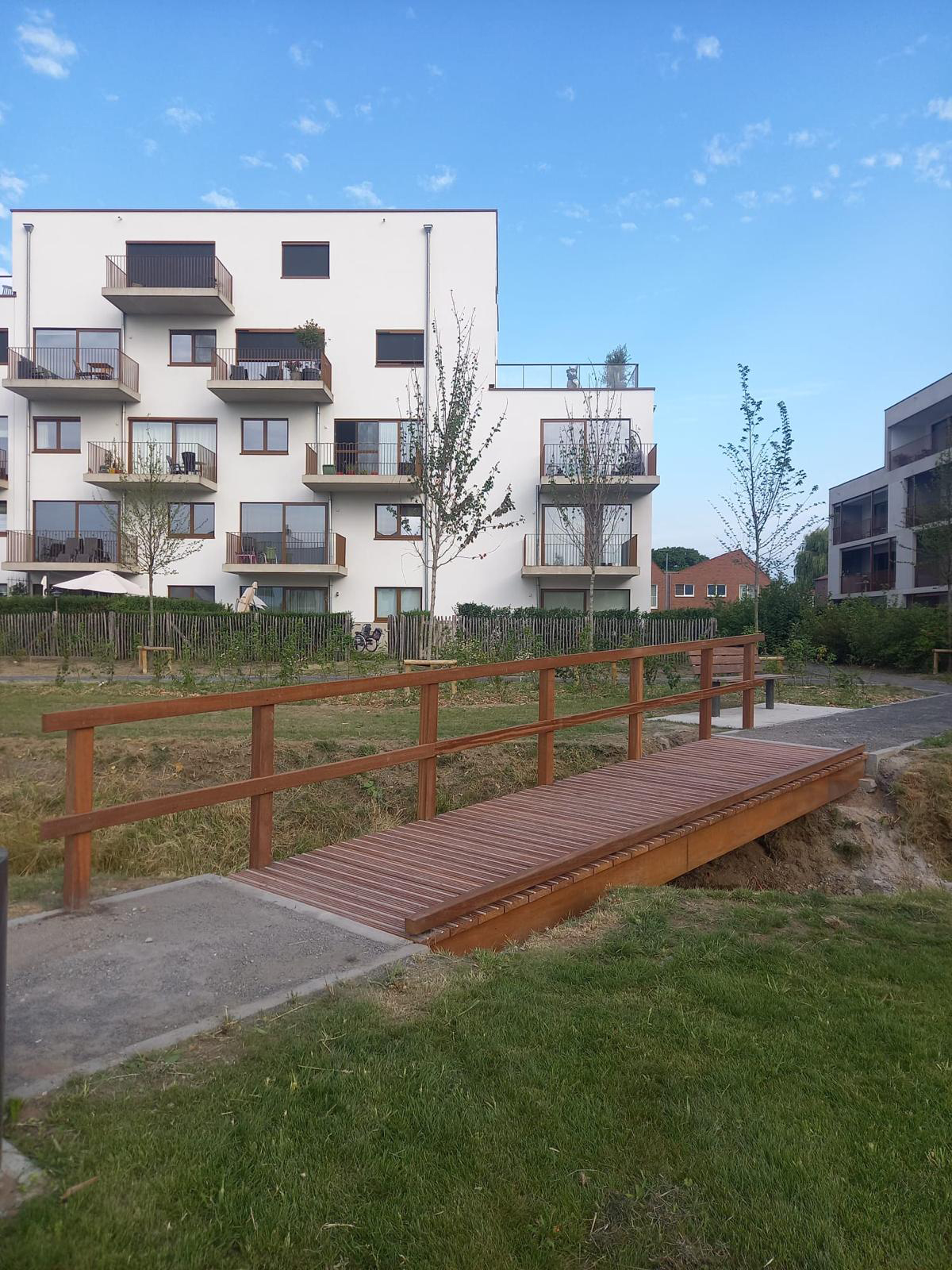
Wood is an excellent choice for renovation projects with shorter spans, where aesthetics, durability, and a natural look are key.
Composite (FRP) is an excellent solution for renovation projects where low weight, a sleek appearance, quick installation, and minimal impact on the job site are important.
Composite (FRP) is an excellent solution for renovation projects where low weight, a sleek appearance, rapid installation, and minimal impact on the construction site are important. Thanks to its light weight, an existing bridge deck, or even the entire superstructure can often be replaced without major modifications to the foundations or abutments. Furthermore, composite is corrosion-resistant, low-maintenance, and durable. Composite is particularly well-suited for bridges in humid or corrosive environments, where a long service life and minimal maintenance are desired. In addition to the standard loads from pedestrians and cyclists, composite bridges can, depending on the design, also be built to accommodate service vehicles weighing up to 60 metric tons, such as fire trucks, garbage trucks, and other maintenance or emergency response vehicles.
Steel is the ideal choice for renovation projects that require large spans, high loads, or maximum structural strength.
Steel is the ideal choice for renovation projects that require large spans, high loads, or maximum structural strength. Thanks to its high load-bearing capacity and stiffness, steel is particularly well-suited for bridges that are heavily used by pedestrians, cyclists, maintenance vehicles, or motorized traffic. During a renovation, the bridge deck, the main girders, or the entire superstructure can be replaced, while the existing foundations and abutments are retained wherever possible. Depending on the condition of the bridge, a partial reinforcement of the existing steel structure may also be chosen. Thanks to modern corrosion protection systems and sustainable preservation, a renovated steel bridge once again meets current standards, offering a long service life and high structural reliability.
Every renovation study begins with a site visit. We assess the technical condition of your bridge or walkway and, if necessary, perform measurements, structural analyses, and recalculations. Based on this, we compare renovation and replacement options. This way, you receive clear, material-independent advice along with an investment estimate for both scenarios.
01
Visual inspection of the bridge or walkway and assessment of its current condition.
02
Review of the design, measurements, and evaluation of the available plans and calculation sheets.
03
If necessary, we recalculate the load-bearing capacity and assess the remaining service life.
04
You will receive clear technical advice outlining the renovation options, a cost estimate for renovation and replacement, and a final recommendation that is not tied to any specific materials.
BestBridges LAB evaluates your renovation project in terms of feasibility, practicability, and cost.
Want to have a worn-out bridge or walkway renovated?
Please provide us with the available plans, inspection data, and information about the bridge or walkway. We’ll compare renovation and replacement options, including cost, maintenance, and service life. This will help you make a decision based on both technical and economic considerations.
Are you having trouble figuring something out? Or do you have a question that isn’t listed here? We’d love to hear from you. Just get in touch with us.
When the bridge’s functional purpose, load requirements, and structural condition remain largely unchanged, renovation is often the most cost-effective and sustainable solution.
Depending on the scope of the renovation, a bridge’s service life can be extended by up to 10 years or more. A limited renovation, such as replacing the wearing course, typically adds 5 years to the bridge’s service life. A thorough renovation of the bridge deck, the supporting structure, and the protective coating can extend the service life by 10 to 20 years or more, depending on the bridge’s use and load.
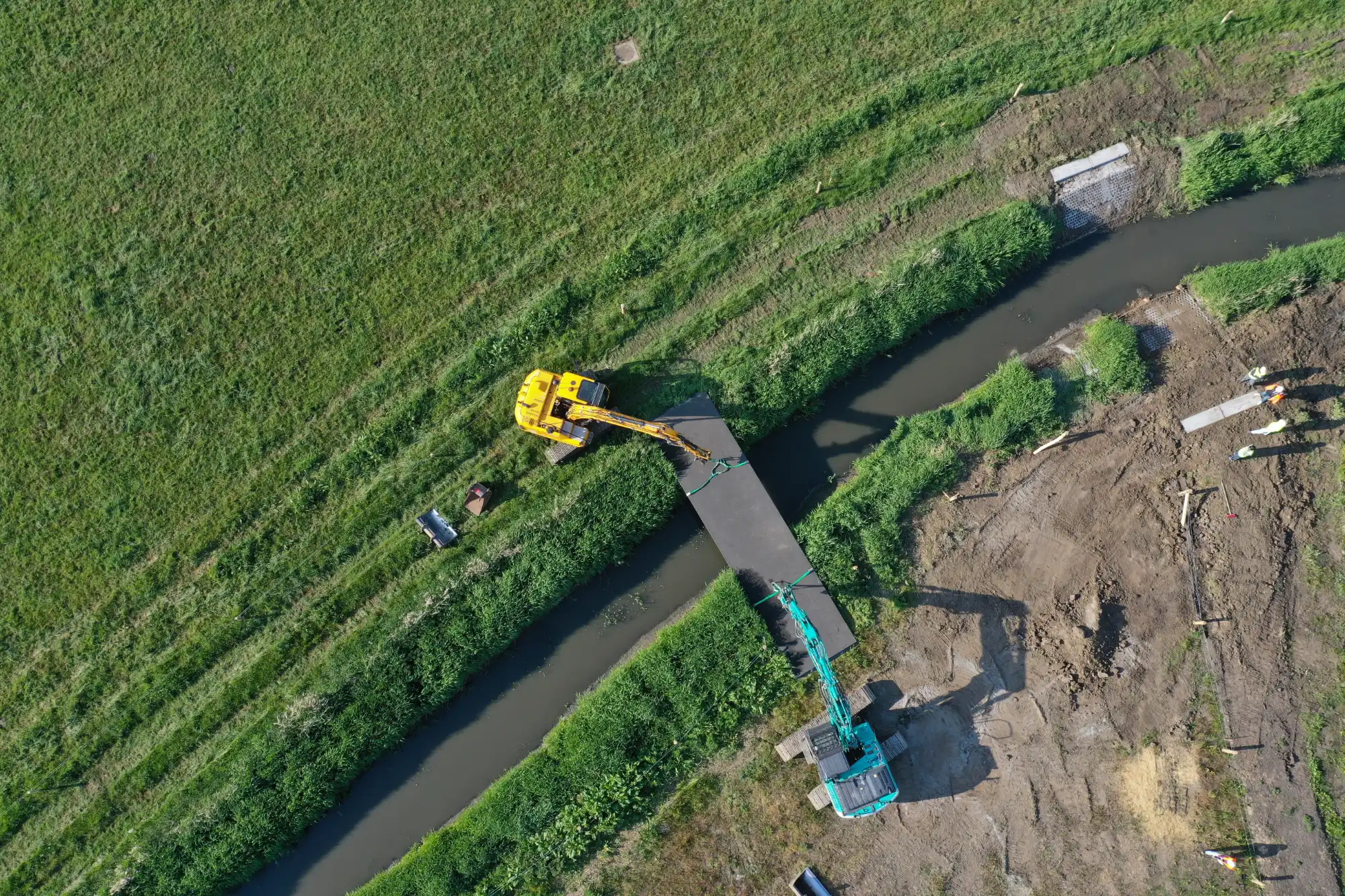
That depends on the scope of the renovation and safety during construction. In most cases, a temporary closure of the bridge is necessary to carry out the work safely and efficiently. Depending on the situation and accessibility, a temporary bridge may be installed so that pedestrians, cyclists, or service vehicles can continue to use the crossing during the renovation work.
Yes. If the load-bearing wooden or steel structure is still in good condition, the existing bridge deck can be replaced with a composite (FRP) bridge deck. Thanks to the low weight of composite materials, the additional loads on the existing support structure are minimal, while the bridge benefits from a long service life, high skid resistance, and a low-maintenance bridge deck. BestBridges always conducts a structural inspection and recalculation in advance to assess whether the existing supporting structure is suitable for this renovation solution.
During an inspection, BestBridges will visit your site to assess the technical condition, safety, load-bearing capacity, and remaining service life of your bridge or walkway. If necessary, we will perform a structural analysis and recalculation. Based on our findings, we will recommend the most appropriate solution: maintenance, renovation, reinforcement, or replacement.
A pedestrian bridge should not only be safe and functional, but also fit beautifully into its surroundings. BestBridges designs, engineers, produces, and installs pedestrian bridges in composite, wood, and steel, with attention to accessibility, durability, and maintenance.
Comfort, safety, and lifespan as the starting point. A bicycle bridge requires more than a strong design. Comfort, safety, loads, and lifespan determine the quality of the bridge. That's why we design, engineer, produce, and install custom bicycle bridges in steel, wood, and composite, always with the most suitable material choice for your project.
The ideal solution. The modular steel-composite structure is prefabricated off-site and installed quickly, with minimal on-site time and disruption. Suitable for heavy traffic, in both temporary and permanent applications.
Boardwalks create safe and accessible passages in nature reserves, parks, and water zones, while protecting the ground beneath from erosion and damage.