Steel Bridges

Steel Bridges Are Strong, Durable, and Suitable for Long Spans

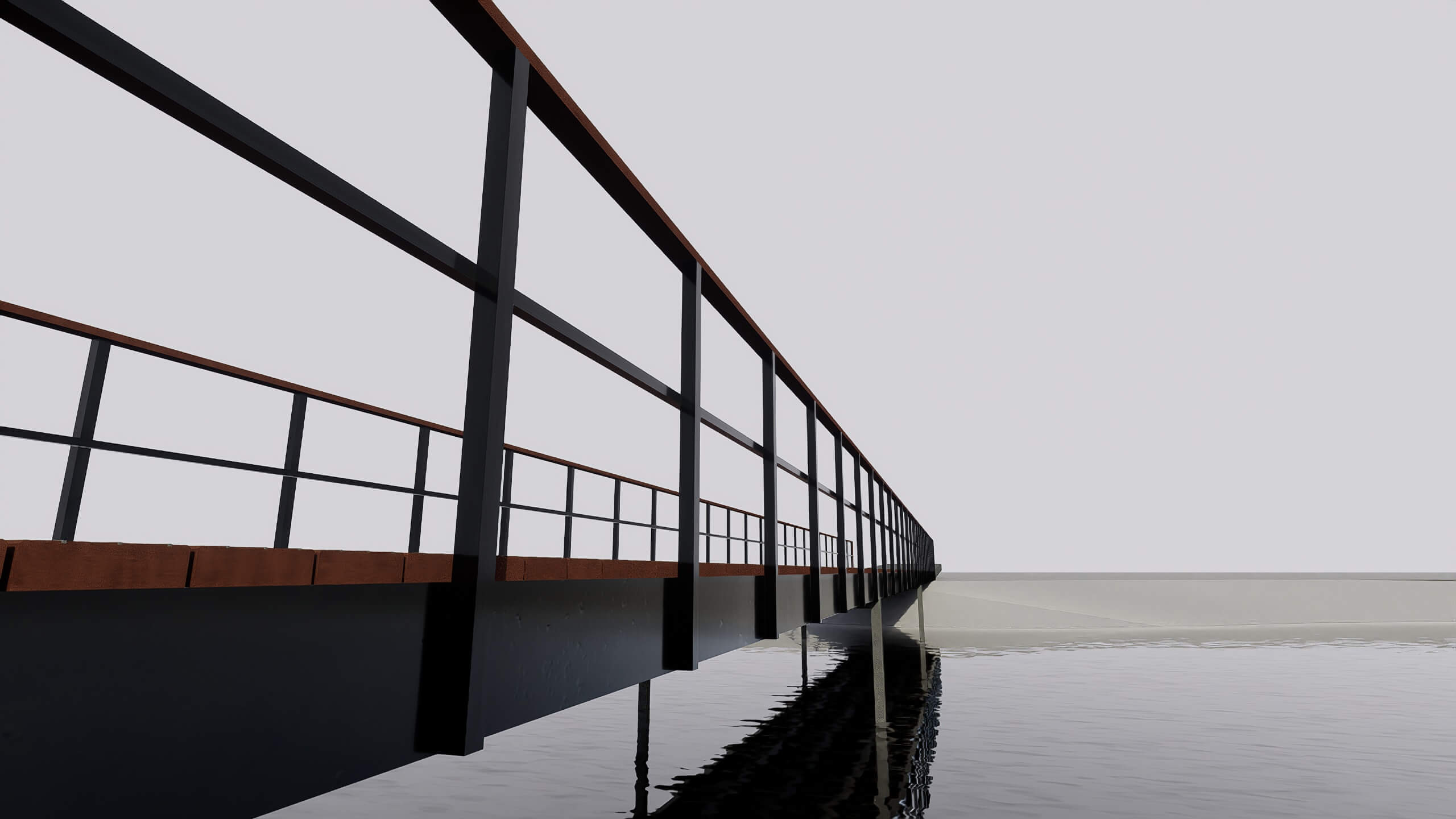
Steel is particularly well-suited for bridges with large spans and offers great flexibility for a slender and architecturally distinctive design. A steel bridge is strong, robust, and durable, provided that the steel structure is properly protected and maintained on a regular basis.

What is the right choice of material for your bridge?

Steel, Composite, or Wood for Bridges

Steel is particularly well suited to bridges with large spans, high loads, and a slender, architectural design. The material offers great design freedom and high structural strength. A well-considered protective coating system and periodic maintenance protect the bridge against corrosion and extend its lifespan.

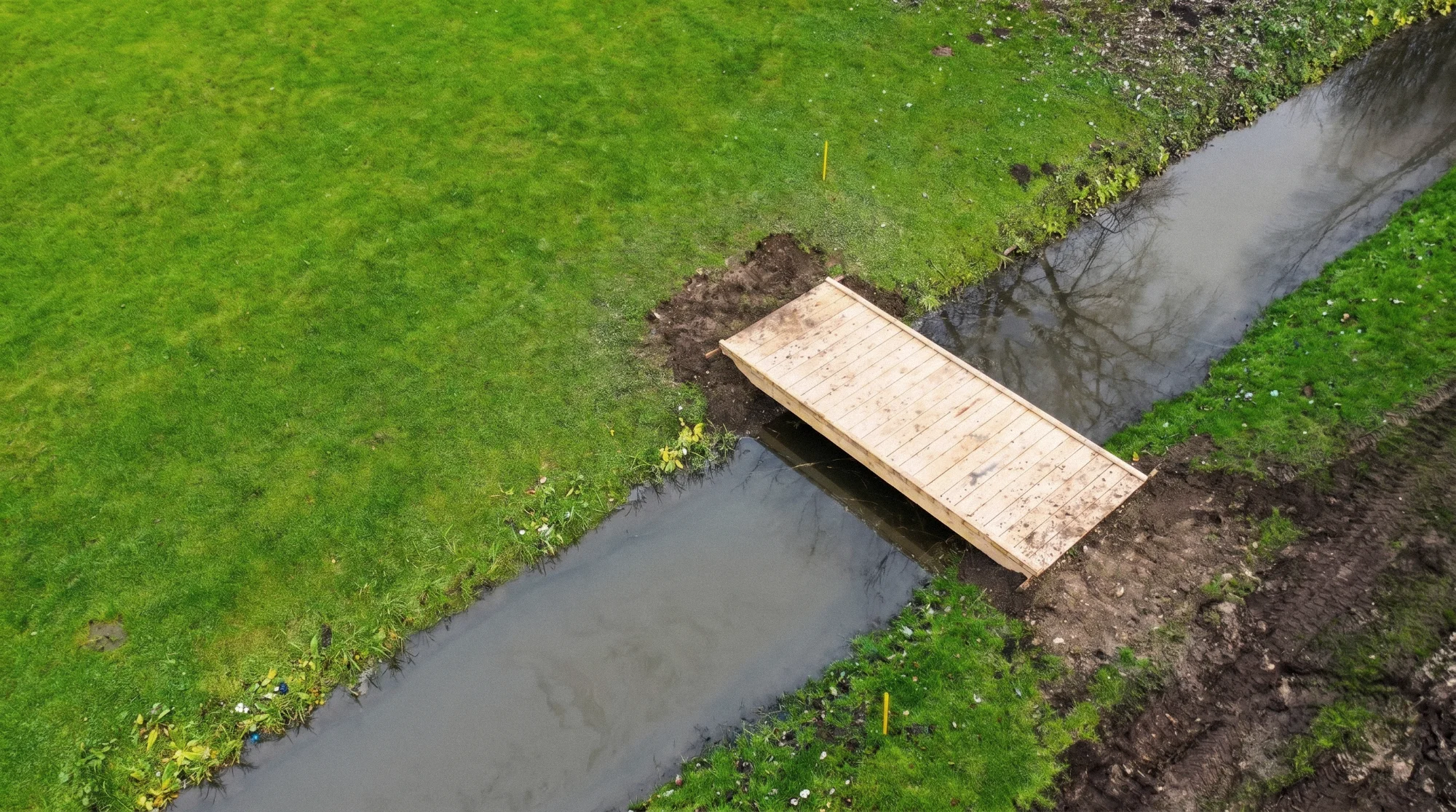
Wood is a natural building material with a warm, timeless appearance. Depending on the application, we choose tropical or European hardwood of durability class 1. With a well-considered maintenance plan, a wooden bridge retains its quality, safety, and character for many years.

Composite bridges combine innovation with durability. Thanks to patented InfraCore® technology, they are lightweight, low-maintenance, corrosion-resistant, and designed for a long lifespan with minimal maintenance costs.

When Is a Steel Bridge the Right Solution?

Steel is strong when...

Less suitable for...

Steel Bridges: The Benefits

Properties of Steel

Types of Steel

S235 / S355 / S460, depending on the project

Production

Prefabricated in sections, welded off-site

Corrosion protection

Hot-dip galvanizing, coating, or duplex system

Transportation

Determine section dimensions early

Standardization

Eurocode, design in accordance with EN 1090

Deck and anti-slip surface

Epoxy quartz or composite deck

Span

The greatest range of the three materials

Freedom of form

Virtually any geometry can be produced

Weight

Heavier: determines the crane and foundation

End of life

100% recycling

Types of Steel Bridges

Comfort, safety, and lifespan as the starting point. A bicycle bridge requires more than a strong design. Comfort, safety, loads, and lifespan determine the quality of the bridge. That's why we design, engineer, produce, and install custom bicycle bridges in steel, always with the most suitable material choice for your project.

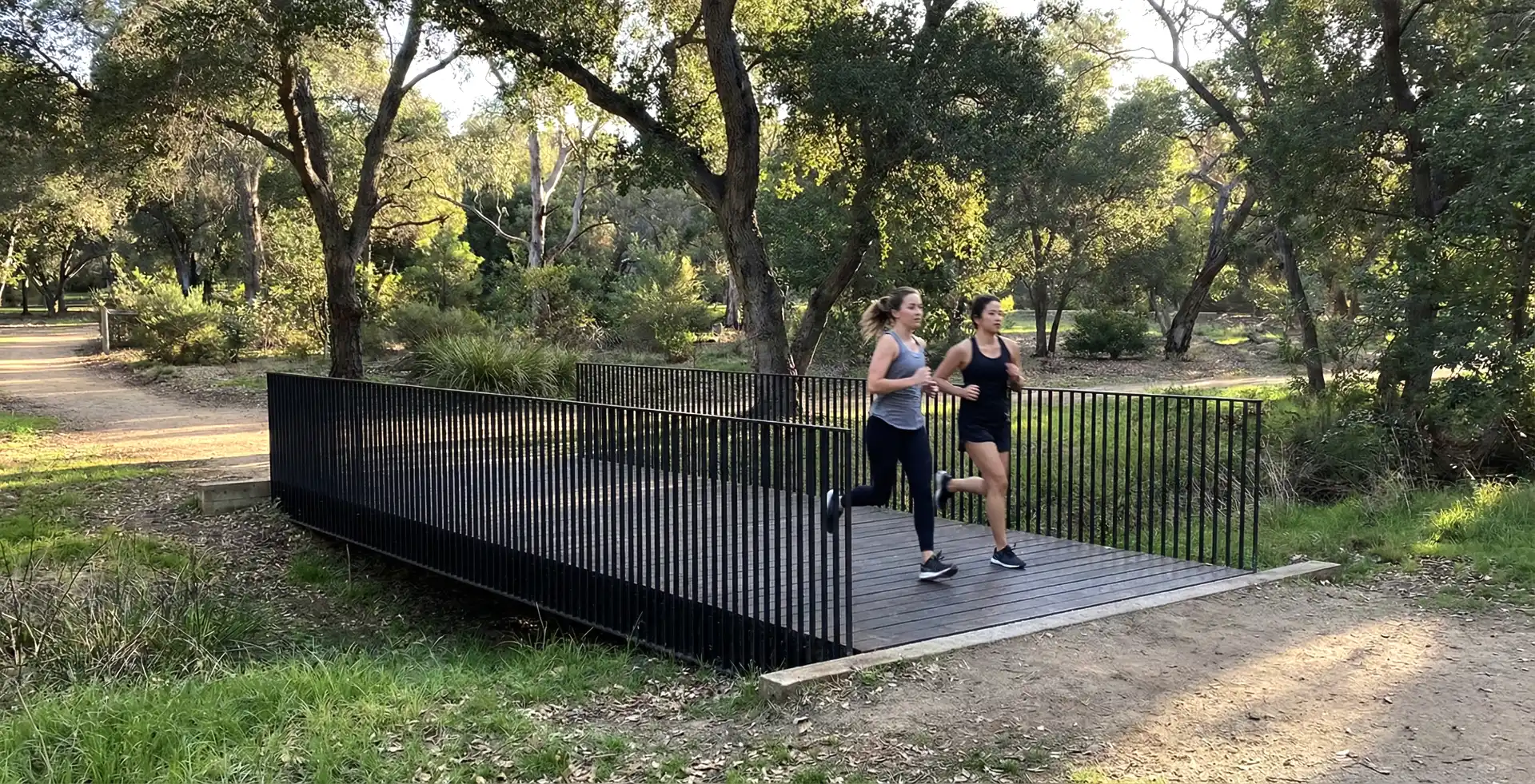
A pedestrian bridge should not only be safe and functional, but also fit beautifully into its surroundings. BestBridges designs, engineers, produces, and installs pedestrian bridges in steel, with attention to accessibility, durability, and maintenance.

The ideal solution. The modular steel-composite structure is prefabricated off-site and installed quickly, with minimal on-site time and disruption. Suitable for heavy traffic, in both temporary and permanent applications.

The Service Life of a Steel Bridge Begins With the Right Protection

Steel rusts. A steel bridge can last for decades, provided the right preservation system is chosen. Depending on the environment, hot-dip galvanizing, a coating system, or a duplex system provides the optimal protection against corrosion. We recommend which system best suits your project and also clearly outline the maintenance strategy and life-cycle costs.

Steel Bridges in Practice

Browse our portfolio of projects.

Custom steel bridge?

Thinking of a Steel Bridge?

Send us your preliminary design or idea. You’ll receive an initial assessment of feasibility and budget. This way, you can start the bidding process with fewer worries.

Frequently Asked Questions

Are you having trouble figuring something out? Or do you have a question that isn’t listed here? We’d love to hear from you. Just get in touch with us.

A steel bridge, when well-designed and properly maintained, can have a service life of up to 100 years or longer. The actual service life depends on corrosion protection, the environment, the load, and maintenance. Steel offers significant advantages, such as high strength and long spans, but it does require periodic maintenance to prevent corrosion.

All of our steel bridges are hot-dip galvanized as standard. Depending on the environment and the desired service life, a duplex system (hot-dip galvanizing combined with a paint system) can be selected as an additional option, which offers even greater corrosion protection. When hot-dip galvanizing is not possible, a multi-layer paint system can be applied. Weather-resistant steel (Corten) is also an option.

The maintenance interval depends on the chosen corrosion protection system, the quality of the pretreatment and application, the corrosion class of the environment, the structural detailing, and the mechanical load. A properly designed and installed duplex system can provide protection for decades. Regular inspections make it possible to repair local damage in a timely manner and significantly extend the service life.

Hot-dip galvanizing and coating are two different corrosion protection systems. Hot-dip galvanizing creates a metallurgically bonded zinc layer that actively protects the steel against corrosion. A coating forms a protective layer against moisture, UV radiation, and other environmental factors. The combination of both—a duplex system—offers the highest level of corrosion protection and the longest service life.

The maximum span depends on the bridge type, the design, and the loads. Steel girder, box-girder, and truss bridges can achieve clear spans of 50 meters or more. Thanks to steel’s high strength and stiffness, spans of more than 100 meters are also possible.

Yes. Steel is 100% recyclable without any loss of quality and can be reprocessed into new steel at the end of its useful life. This makes steel a circular building material with a high residual value.

Other materials for your bridge

Wood is a natural building material with a warm, timeless appearance. Depending on the application, we choose tropical or European hardwood of durability class 1. With a well-considered maintenance plan, a wooden bridge retains its quality, safety, and character for many years.

Composite is a high-quality fiber-reinforced material that doesn't rust, doesn't rot, and requires virtually no maintenance. Thanks to its long lifespan, low maintenance costs, and innovative InfraCore® technology, a composite bridge is the ideal choice for those who value innovation, durability, and performance.