What is the right choice of material for your bridge?
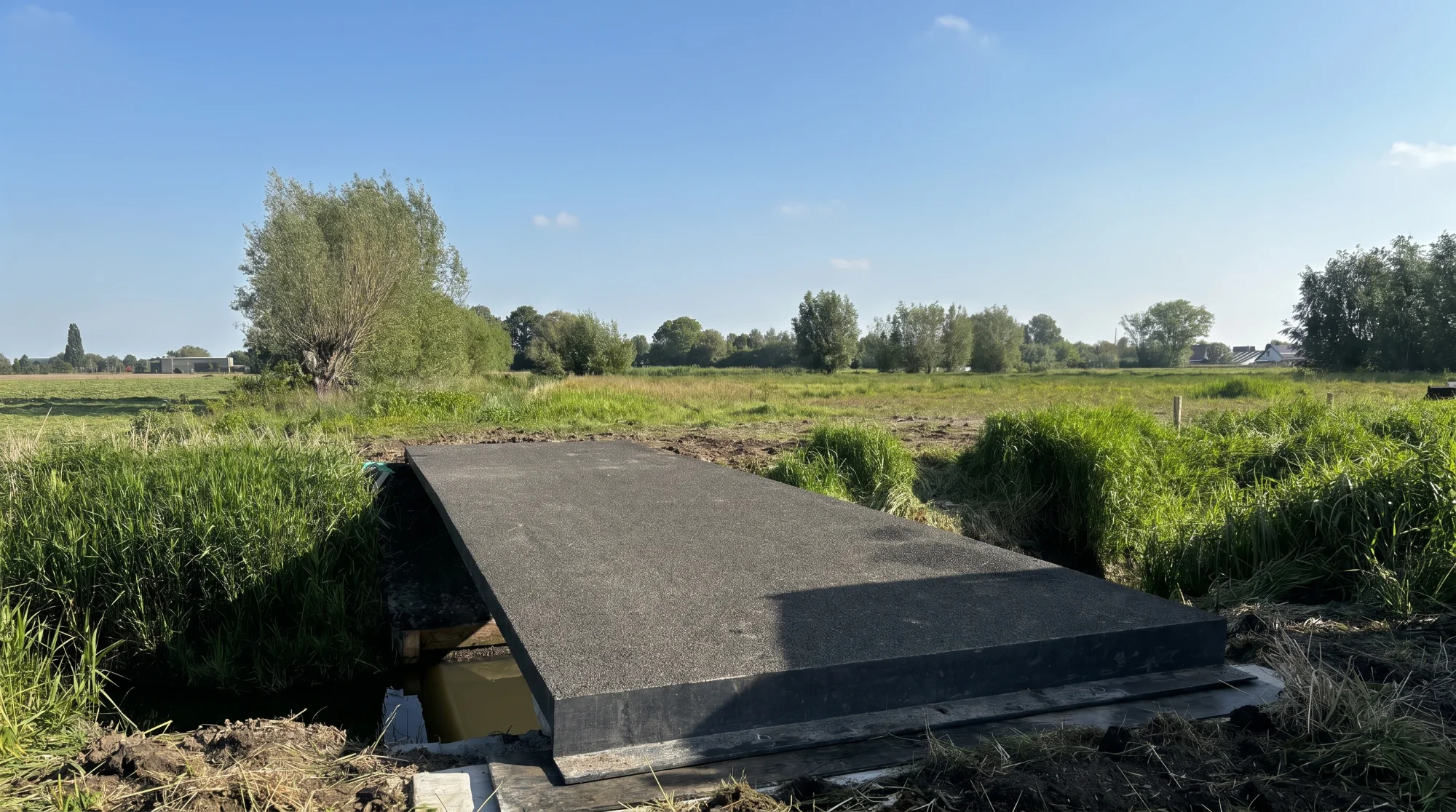
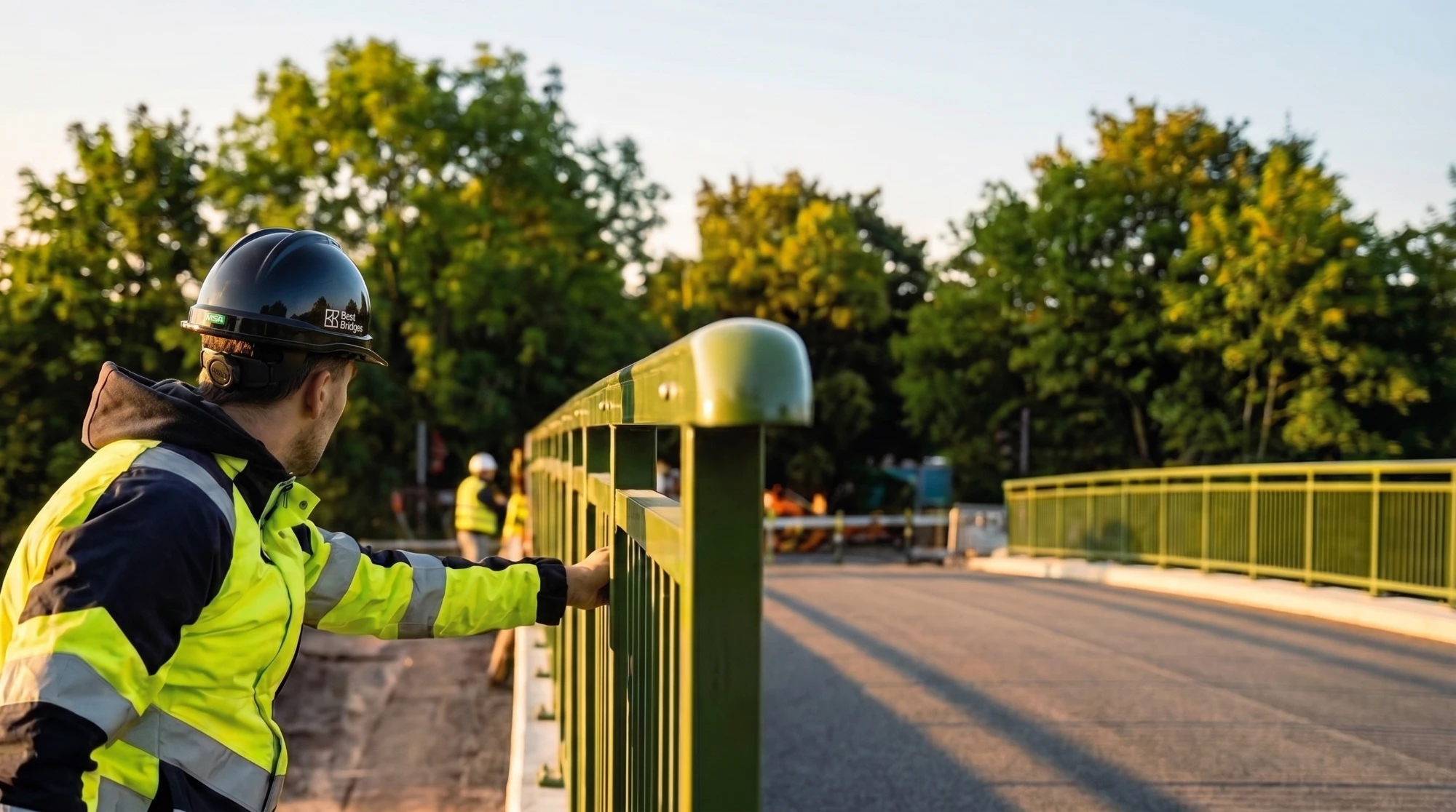
Composite bridges combine innovation with durability. Thanks to patented InfraCore® technology, they are lightweight, low-maintenance, corrosion-resistant, and designed for a long lifespan with minimal maintenance costs.
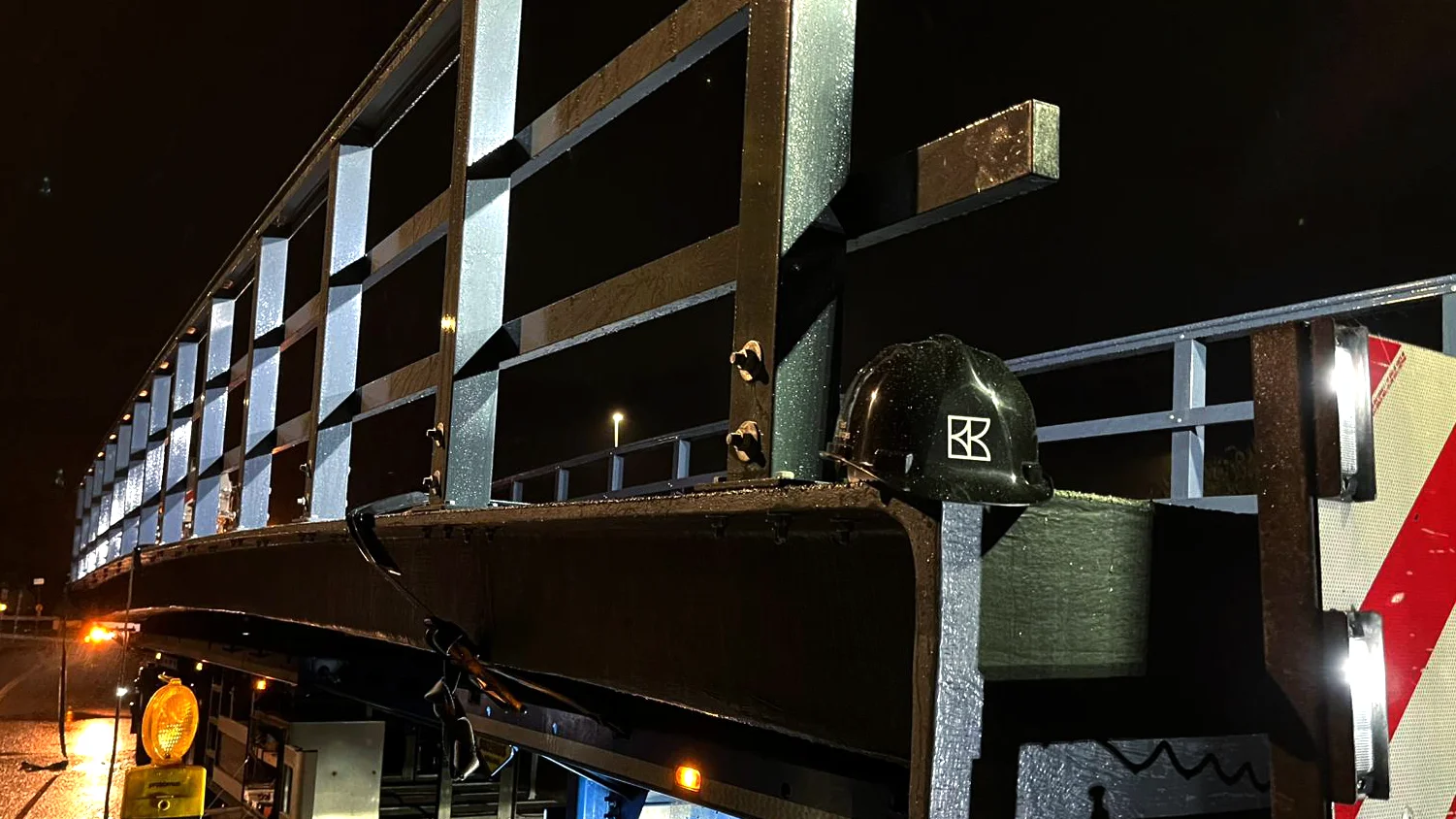
Steel is particularly well suited to bridges with large spans, high loads, and a slender, architectural design. The material offers great design freedom and high structural strength. A well-considered protective coating system and periodic maintenance protect the bridge against corrosion and extend its lifespan.
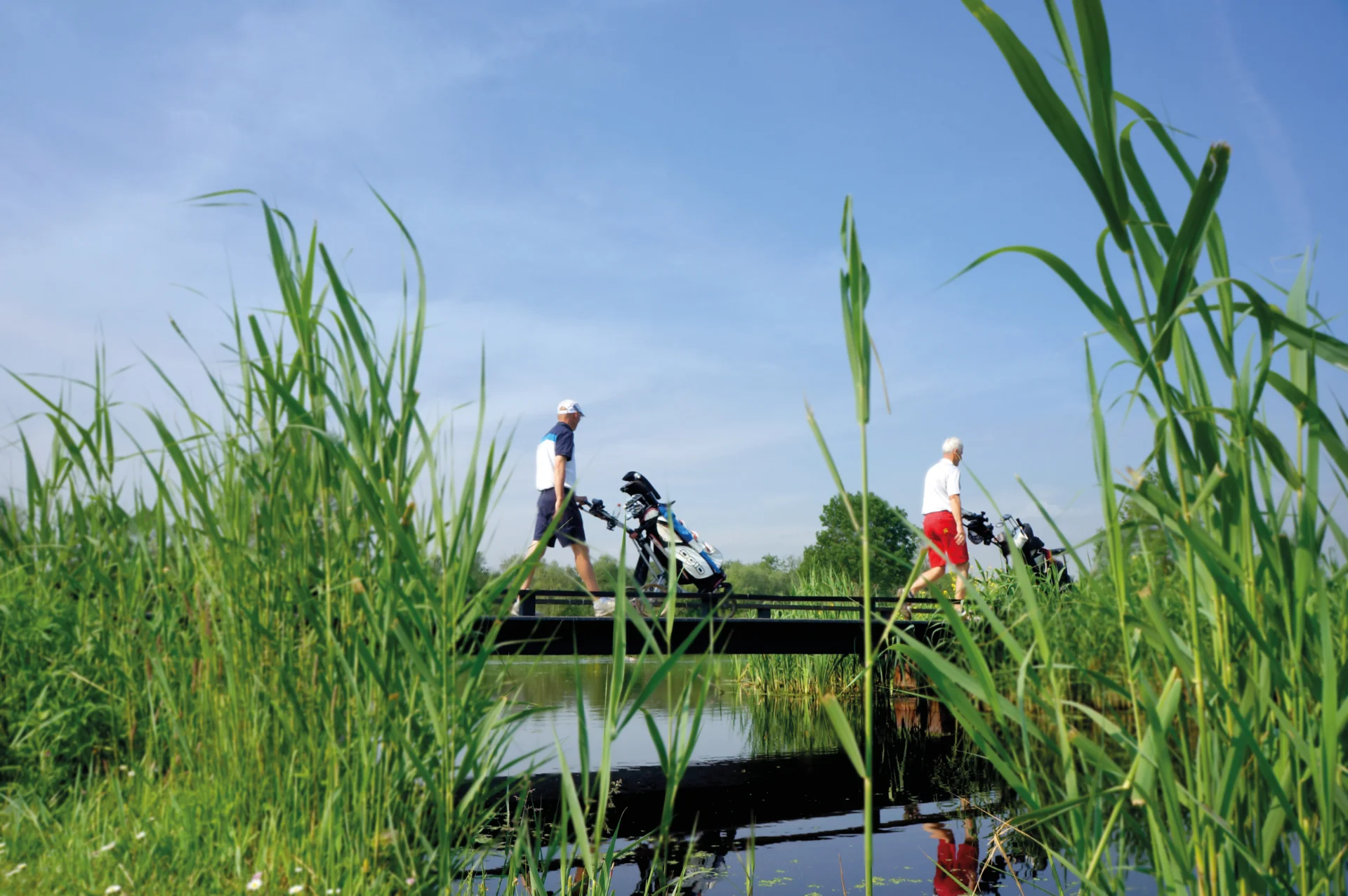
Wood is a natural building material with a warm, timeless appearance. Depending on the application, we choose tropical or European hardwood of durability class 1. With a well-considered maintenance plan, a wooden bridge retains its quality, safety, and character for many years.
All the benefits of composite bridges
Corrosion
Rust and rot are not a concern
Net weight
Significantly lighter than steel or concrete
Production
Fully prefabricated, off-site
Placement
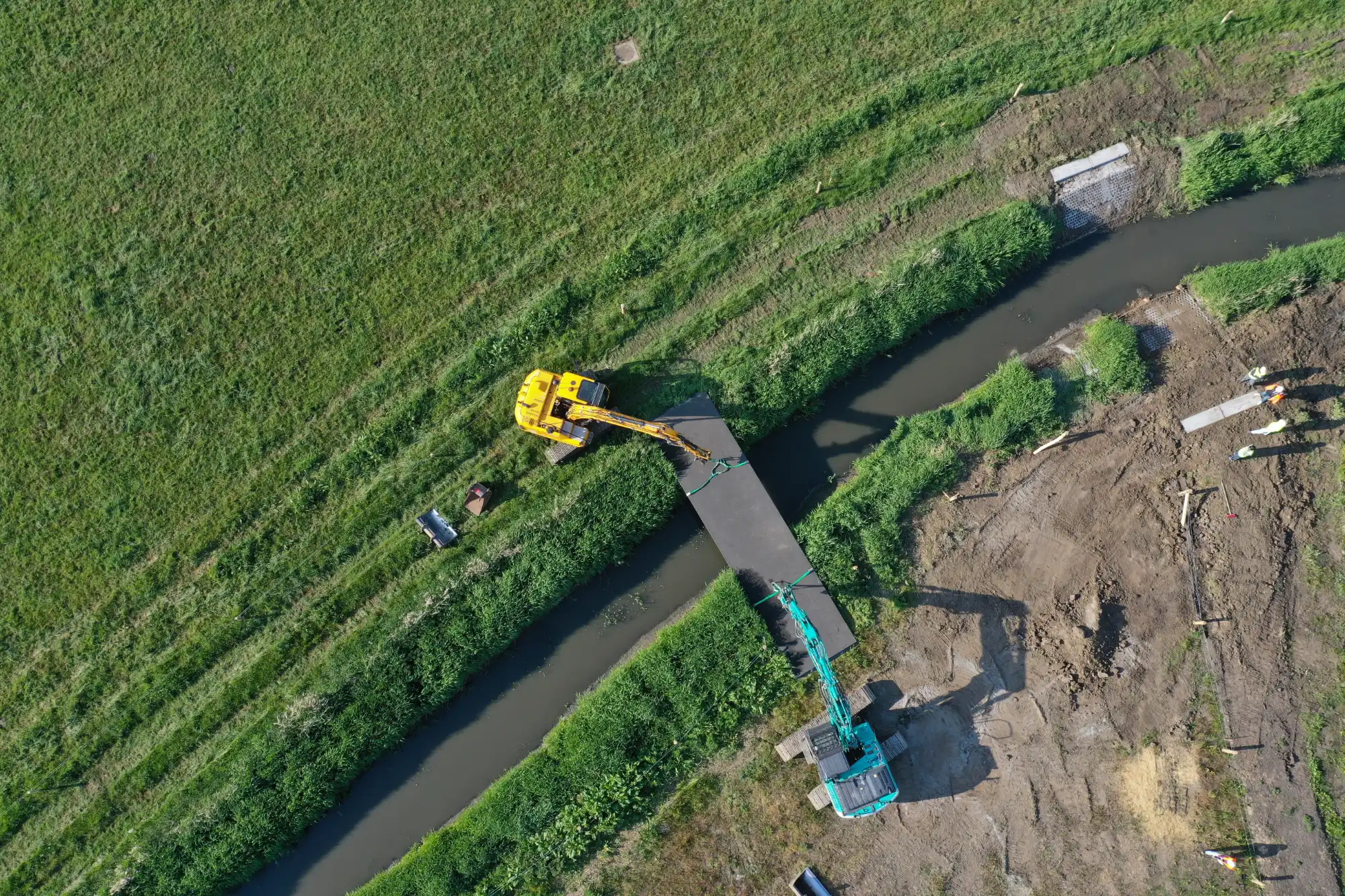
Prefabricated, minimal construction site disruption
Maintenance
No coating or preservative treatment
Stiffness
L/100, L/250, L/300, L/400
Anti-slip
Incorporated into the top layer
Freedom of form
Maximum design freedom
Foundation
Lighter thanks to its low weight
Recycling
See Frequently Asked Questions
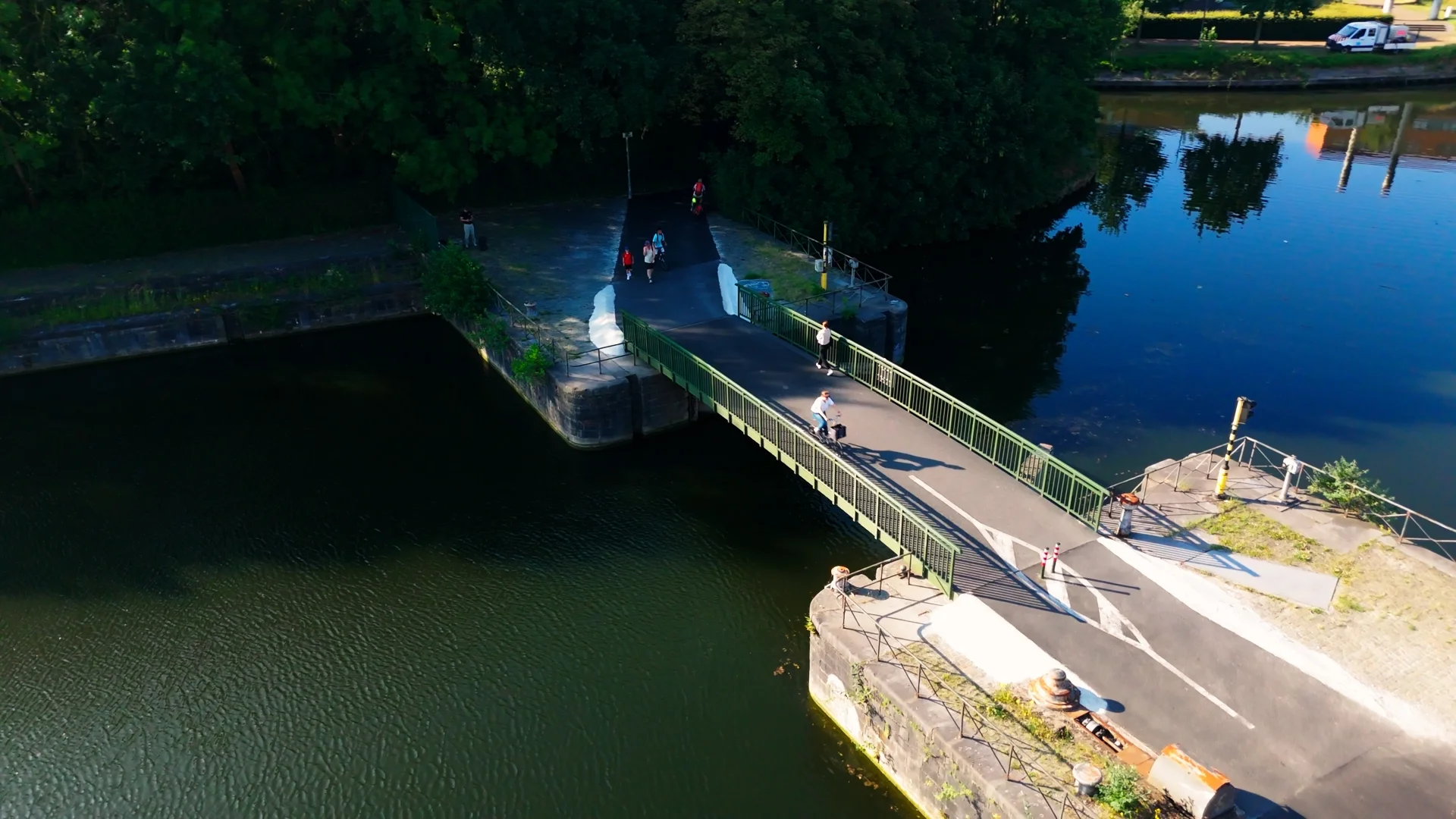
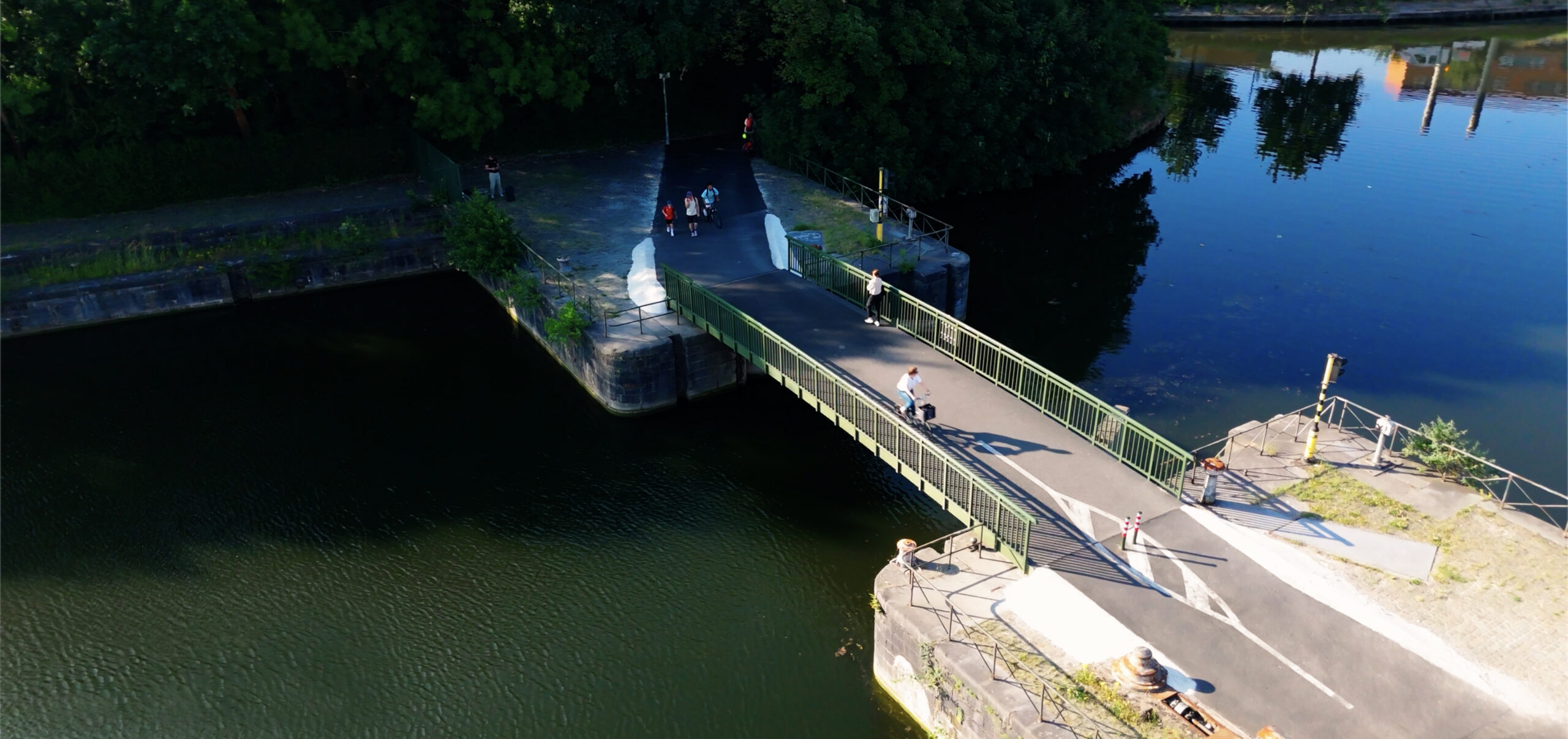
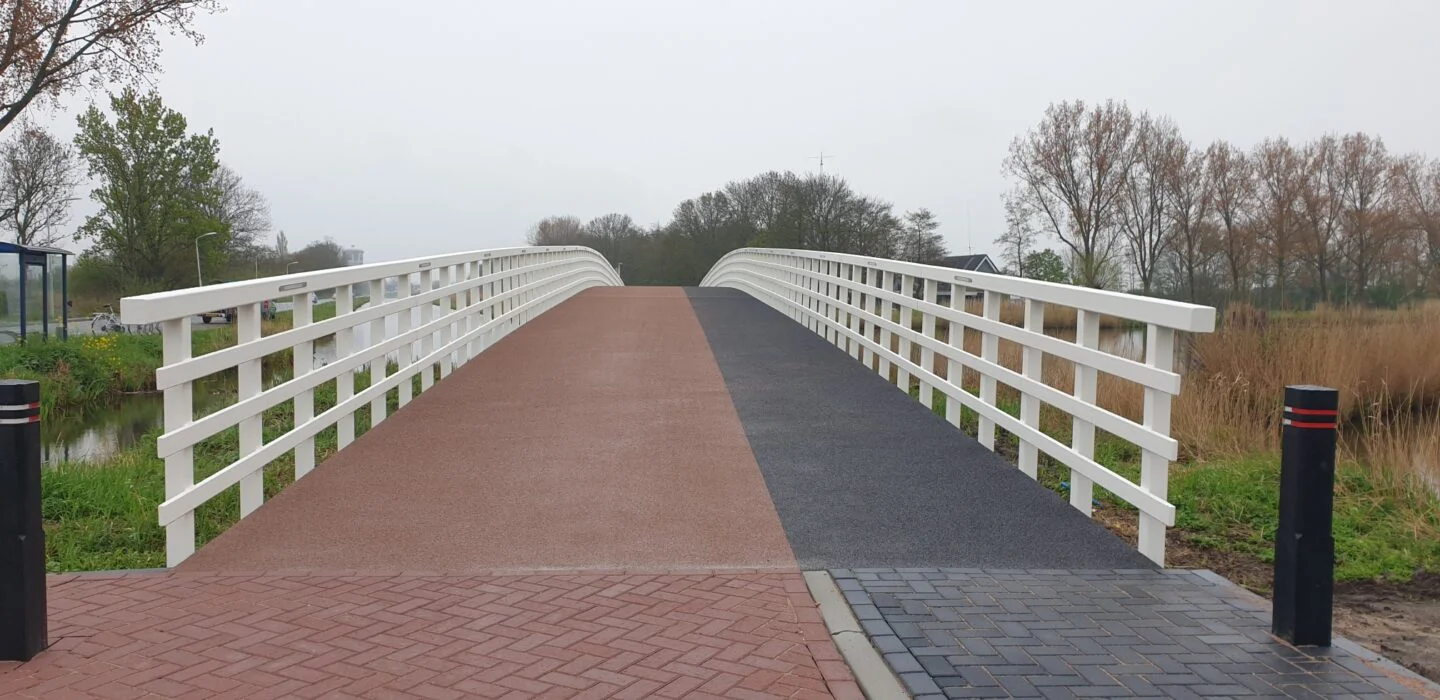
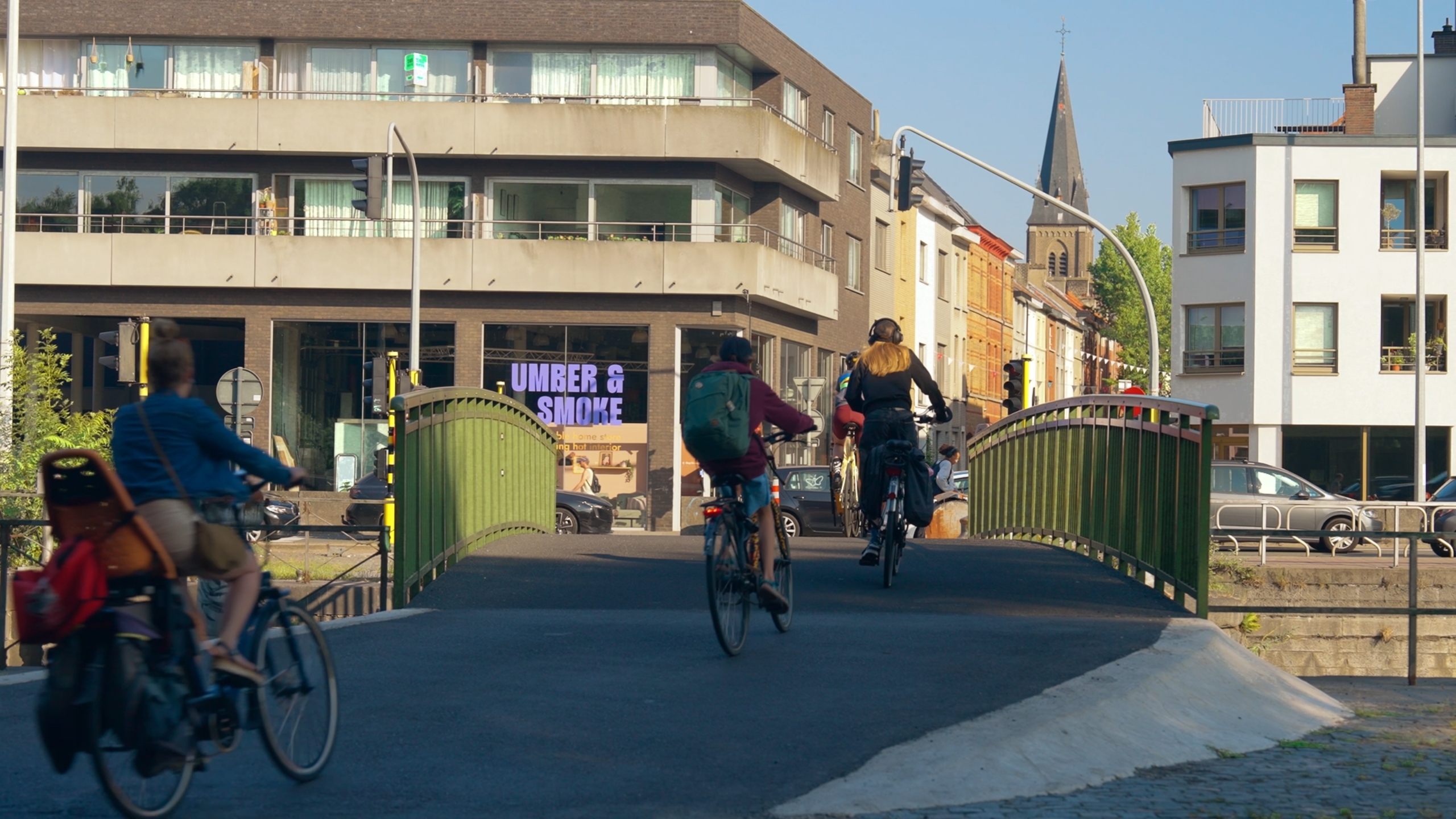
Comfort, safety, and lifespan as the starting point. A bicycle bridge requires more than a strong design. Comfort, safety, loads, and lifespan determine the quality of the bridge. That's why we design, engineer, produce, and install custom bicycle bridges in composite, always with the most suitable material choice for your project.
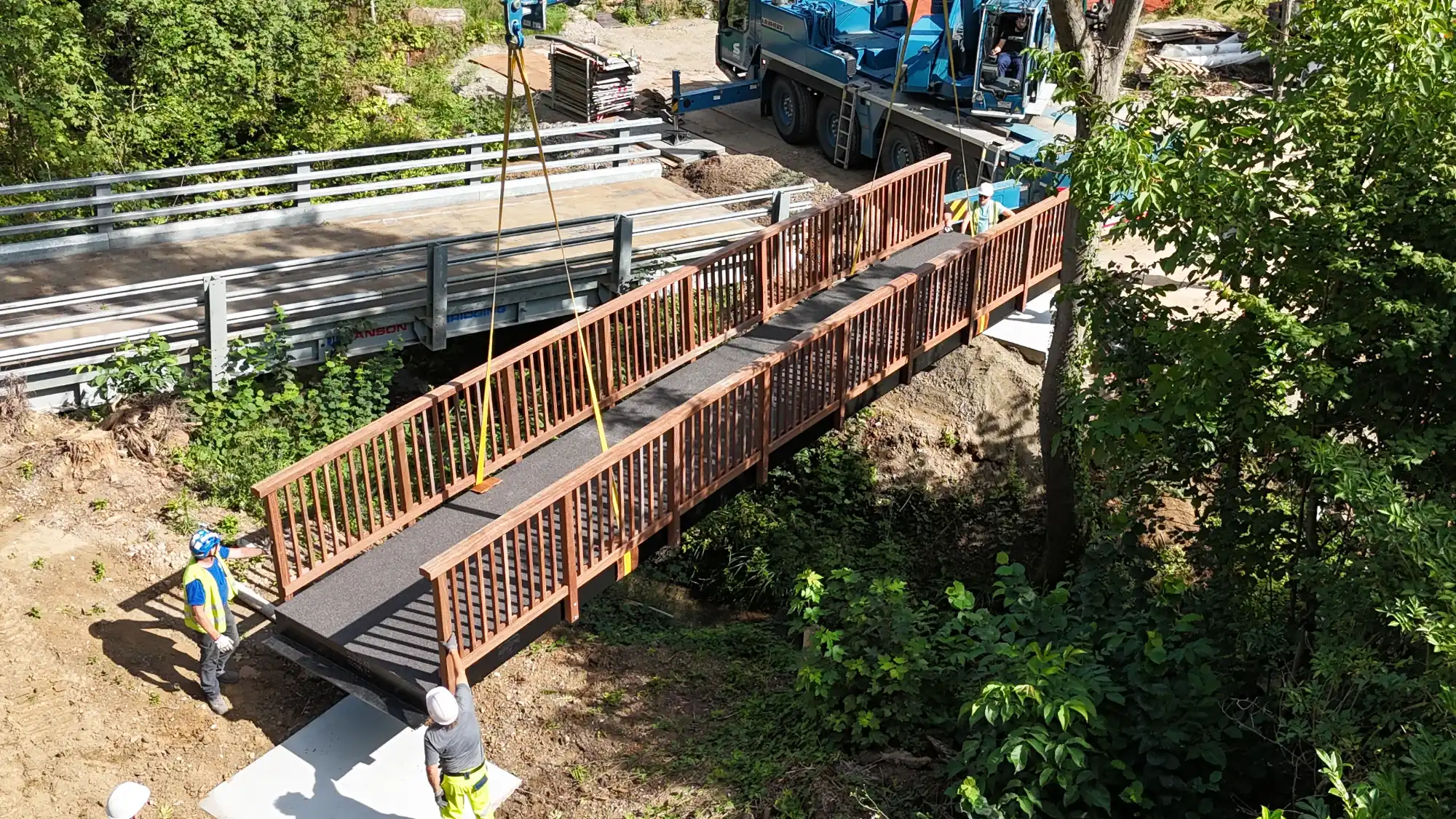
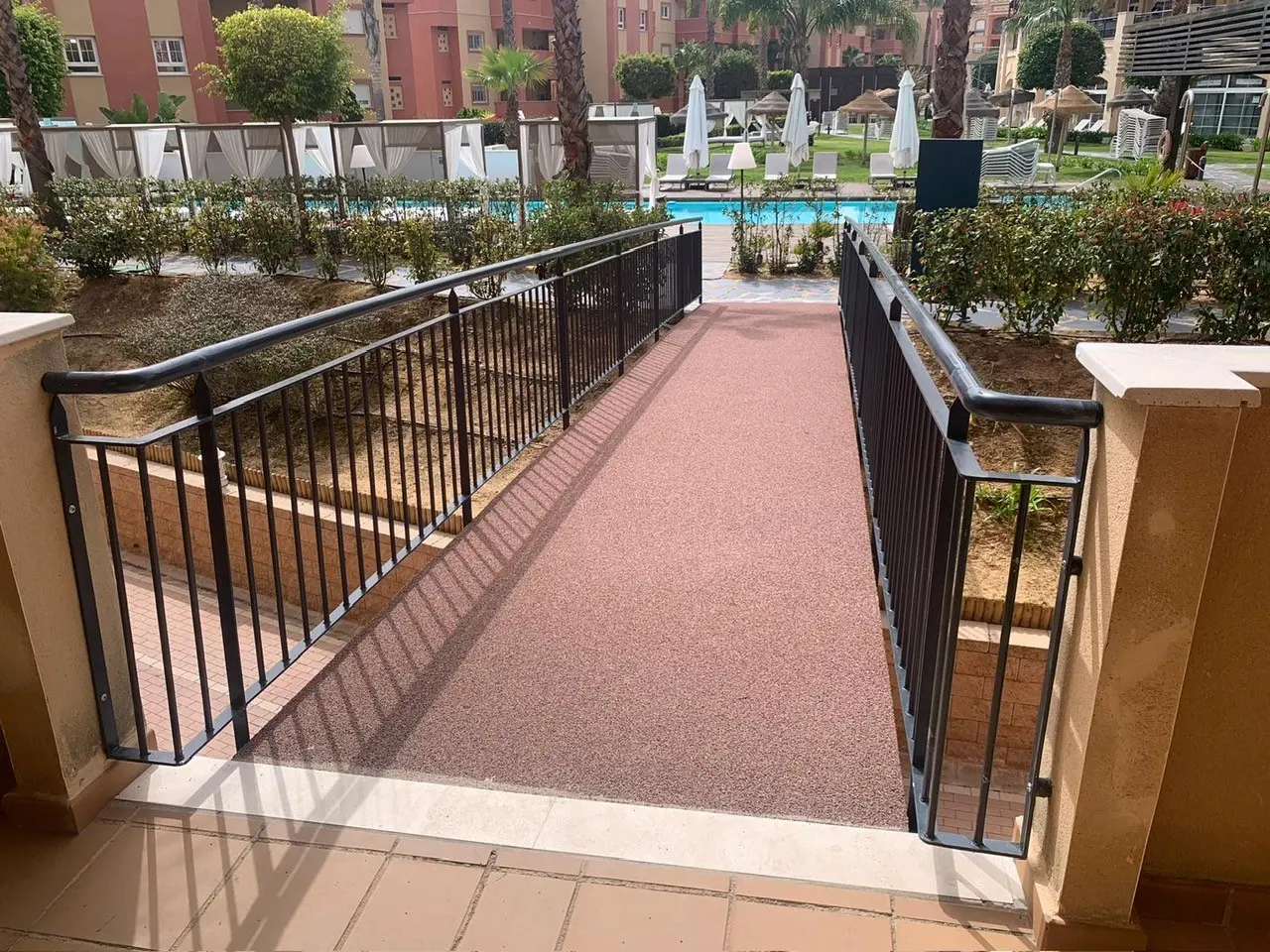
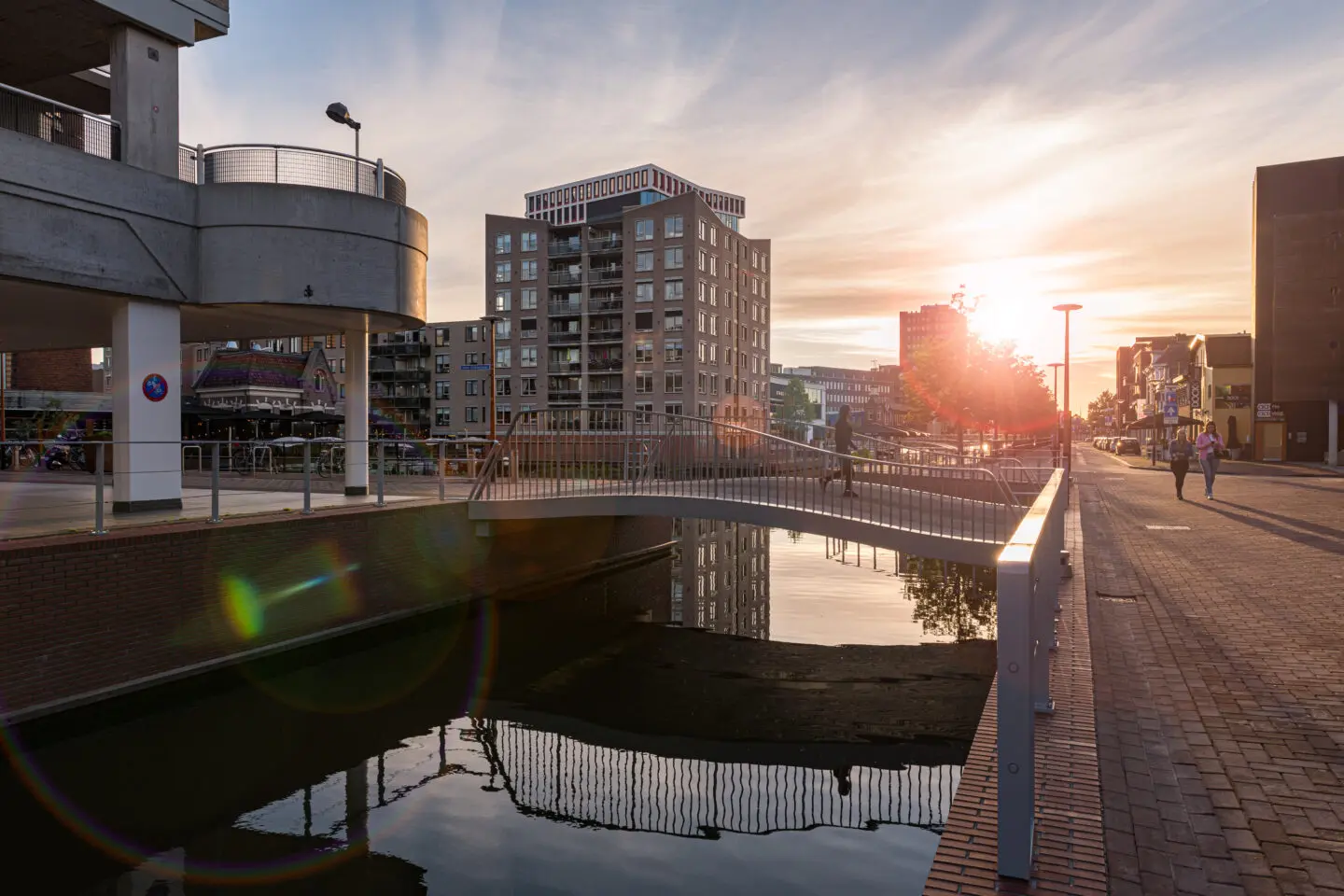
A pedestrian bridge should not only be safe and functional, but also fit beautifully into its surroundings. BestBridges designs, engineers, produces, and installs pedestrian bridges in composite, with attention to accessibility, durability, and maintenance.
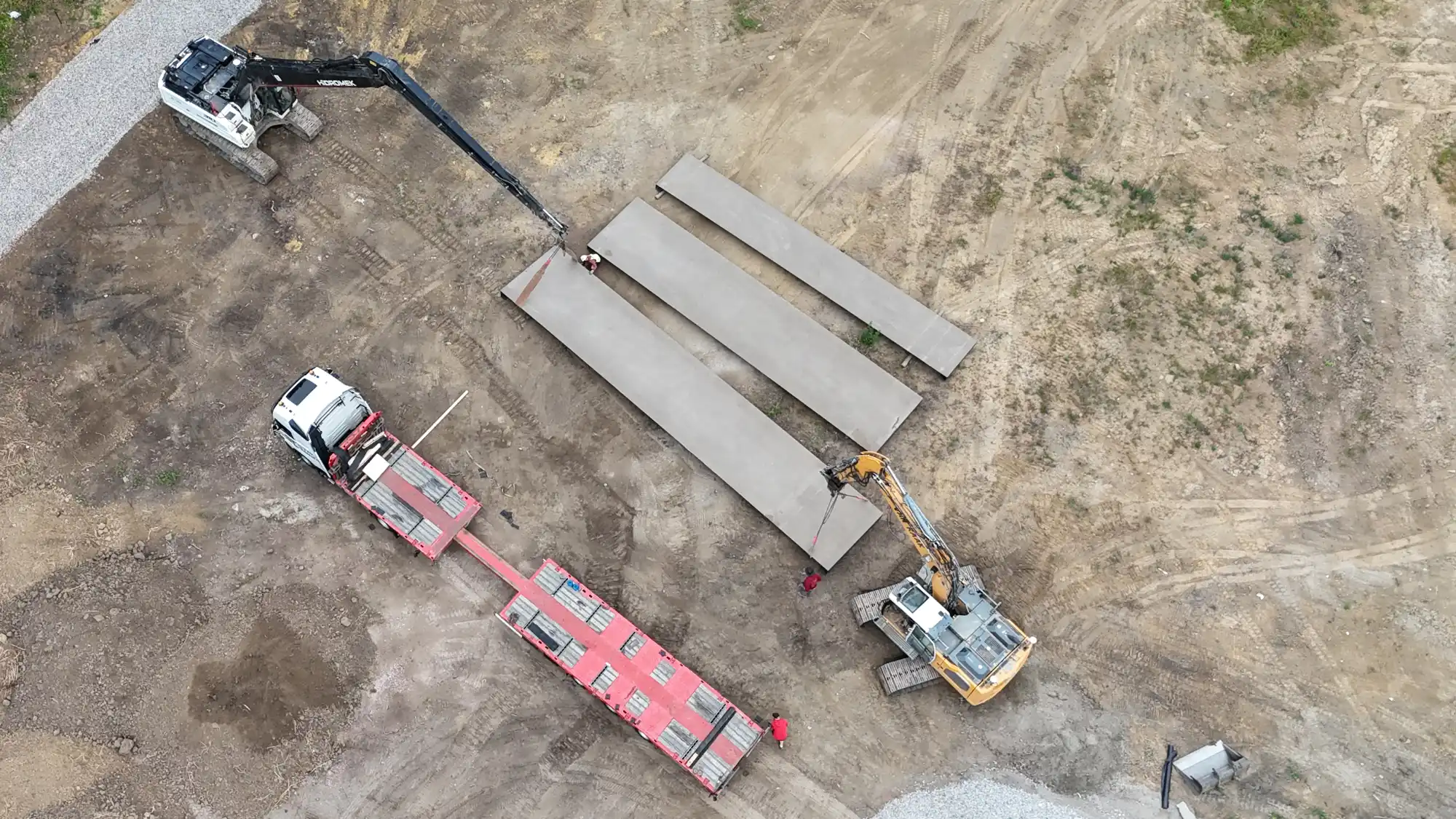
The ideal solution. The modular steel-composite structure is prefabricated off-site and installed quickly, with minimal on-site time and disruption. Suitable for heavy traffic, in both temporary and permanent applications.
Browse our portfolio of projects.
CompositePedestrian Bridge
Bicycle BridgeCompositePedestrian Bridge
Bicycle BridgeCompositeLAB
Bicycle BridgeCompositeLABSteel
CompositeLABPedestrian Bridge
Bicycle BridgeCompositeLAB
CompositePedestrian Bridge
Bicycle BridgeComposite
Custom Composite Bridge?
Send us your preliminary design or idea. You’ll receive an initial assessment of feasibility and budget. This way, you can start the bidding process with fewer worries.
Are you having trouble figuring something out? Or do you have a question that isn’t listed here? We’d love to hear from you. Just get in touch with us.
A composite bridge has an expected service life of 100 years or more. Thanks to its high corrosion resistance, composite is virtually maintenance-free.
Not always. The initial investment in a composite bridge is often slightly higher than for wood or steel. Thanks to its long service life, low weight, and very low maintenance costs, composite is often an economically attractive choice over its entire service life. Furthermore, because of the low weight, the foundations are often lighter and less expensive. Composite bridges are fully prefabricated, which allows for quick installation and keeps disruption at the construction site to a minimum.
A composite bridge requires very little maintenance. Regular inspections and cleaning are usually sufficient to keep the bridge in optimal condition. Thanks to its corrosion resistance, painting or other protective treatments are not necessary.
Composite bridges can span distances of up to approximately 35 meters. For longer spans, we often opt for a hybrid bridge with a composite deck and a steel support structure. This allows us to combine the advantages of both materials.
Yes. Composite is recyclable, although the recycling method depends on the type of material. Thanks to its long service life and low maintenance requirements, composite is also a sustainable choice over its entire life cycle.
Wood is a natural building material with a warm, timeless appearance. Depending on the application, we choose tropical or European hardwood of durability class 1. With a well-considered maintenance plan, a wooden bridge retains its quality, safety, and character for many years.
Steel is particularly well suited to bridges with large spans, high loads, and a slender, architectural design. The material offers great design freedom and high structural strength. A well-considered protective coating system and periodic maintenance protect the bridge against corrosion and extend its lifespan.