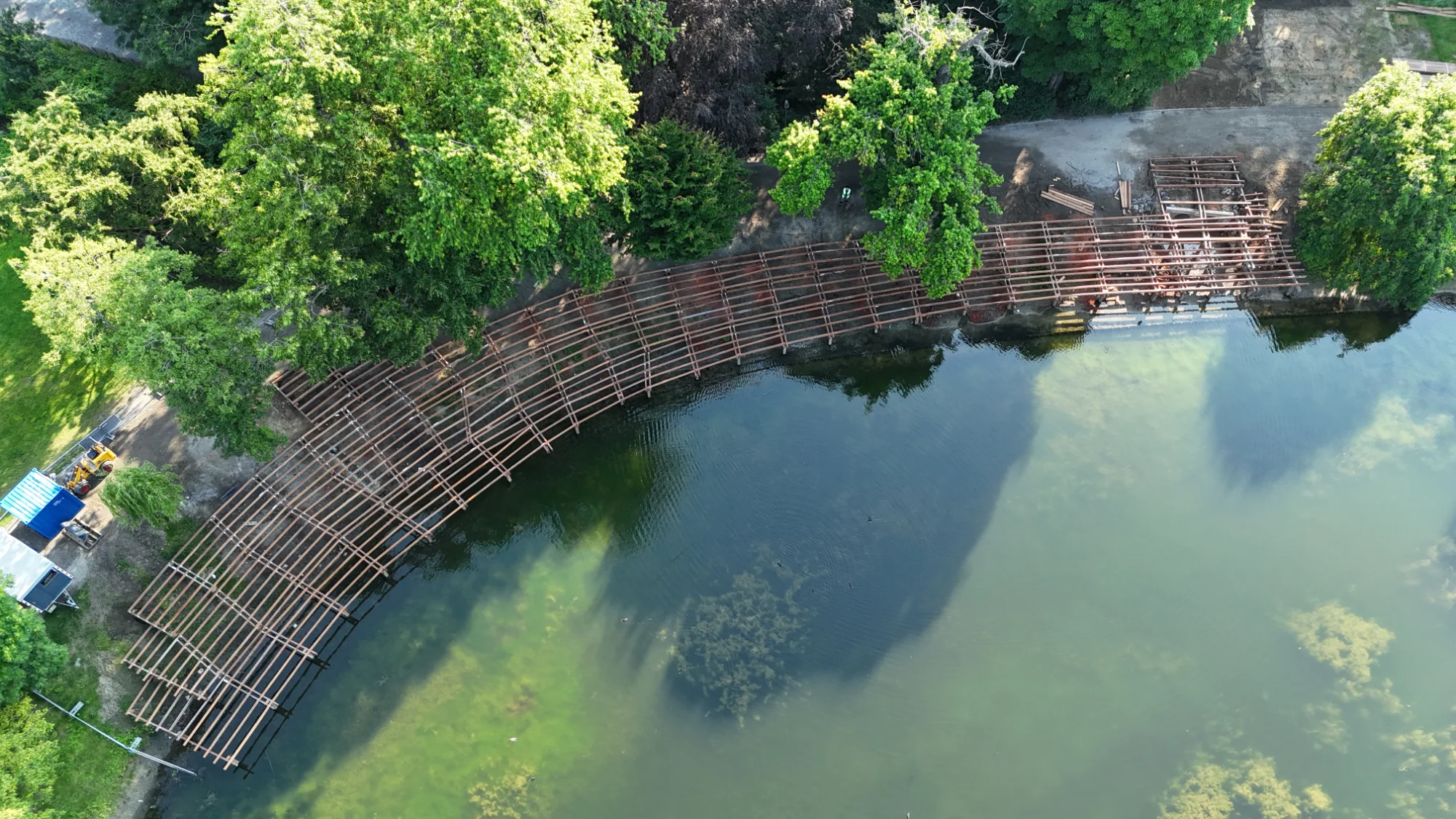
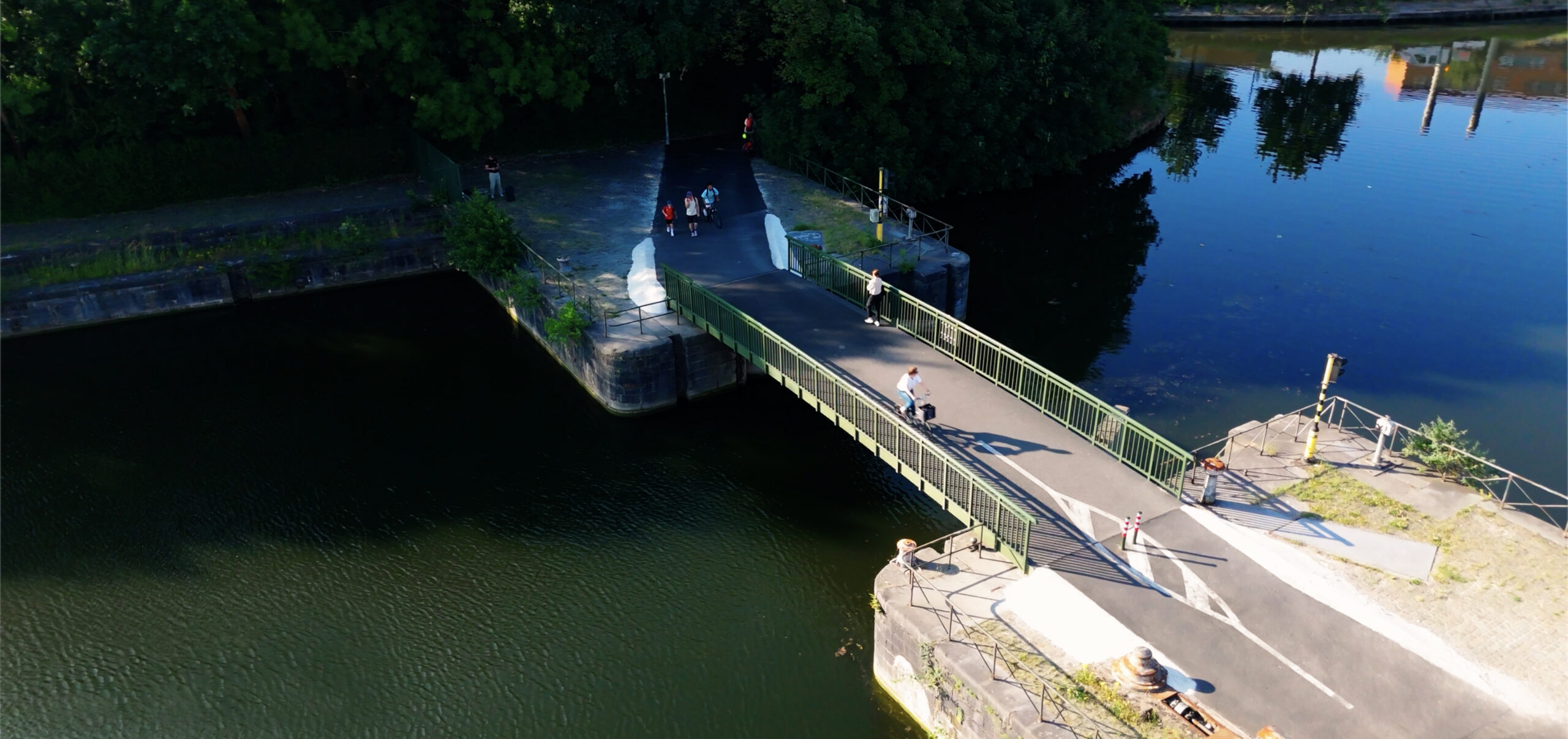
Every location is unique, and we are happy to take that into account. BestBridges’ core values are based on an innovative design process that uses fewer raw materials, extends the bridge’s service life, and optimizes bridge maintenance. We take an integrated approach to the construction process. Starting with the design phase, we take into account the transportation and installation of the bridge, resulting in greater efficiency at the construction site, lower CO₂ emissions, and reduced waste.
All of our bridges are designed so that the railings and deck structure whether made of composite, wood, or steel can be easily replaced or recycled. The result is a smaller environmental footprint, smart maintenance, and a longer service life.
Sustainability as a bidding advantage
For BestBridges, sustainability is second nature.
High quality standards and the goal of achieving the longest possible service life are essential to us, regardless of the material. Our commitment to sustainability is also reflected in the relationships we build with our customers.
Our project consultants provide personalized guidance from concept to installation, ensuring that any changes have a minimal impact on your schedule or budget. This level of personal contact with our customers and our exceptional flexibility set us apart from other companies.
A long service life and low maintenance aren’t just about comfort—they’re about sustainability. Every recoating, every deck replacement, and every shipyard shutdown involves additional material, transportation, and CO₂ emissions. Our designs aim to minimize interventions throughout the entire life cycle.
Optimized design: not a single (kilo)gram more than necessary.
Material choices that limit interventions over 30 years.
Prefabrication and fast installation reduce disruption and transport.
Each additional year of service life reduces the annual impact.
Sustainability is at the heart of BestBridges. Thanks to optimized designs, we use fewer materials and minimize our environmental impact not only during manufacturing but also during the transport and installation of the bridge. Through our efficient construction methods, we reduce our environmental impact throughout the entire project and during maintenance, with the goal of offering sustainable, low-carbon solutions.
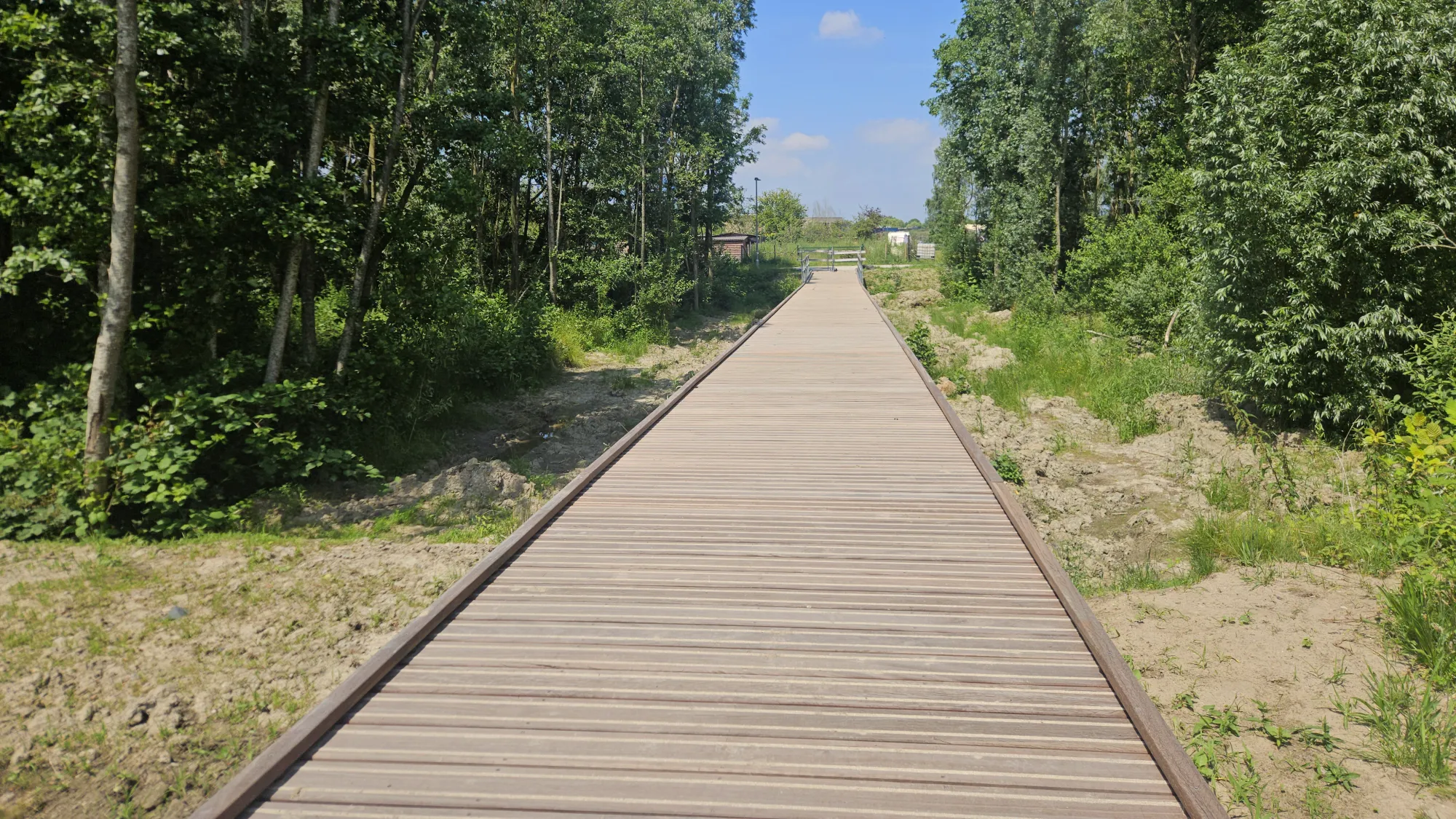
By reclaiming hardwood from existing maritime structures, we give valuable materials a second life. The wood is carefully selected, inspected for quality, and reused on walkways and in wooden bridges. In this way, we extend the material’s lifespan, limit waste streams, and reduce the demand for new tropical hardwood. In doing so, we contribute to a circular approach in public spaces, where sustainability, quality, and responsible use of materials go hand in hand.
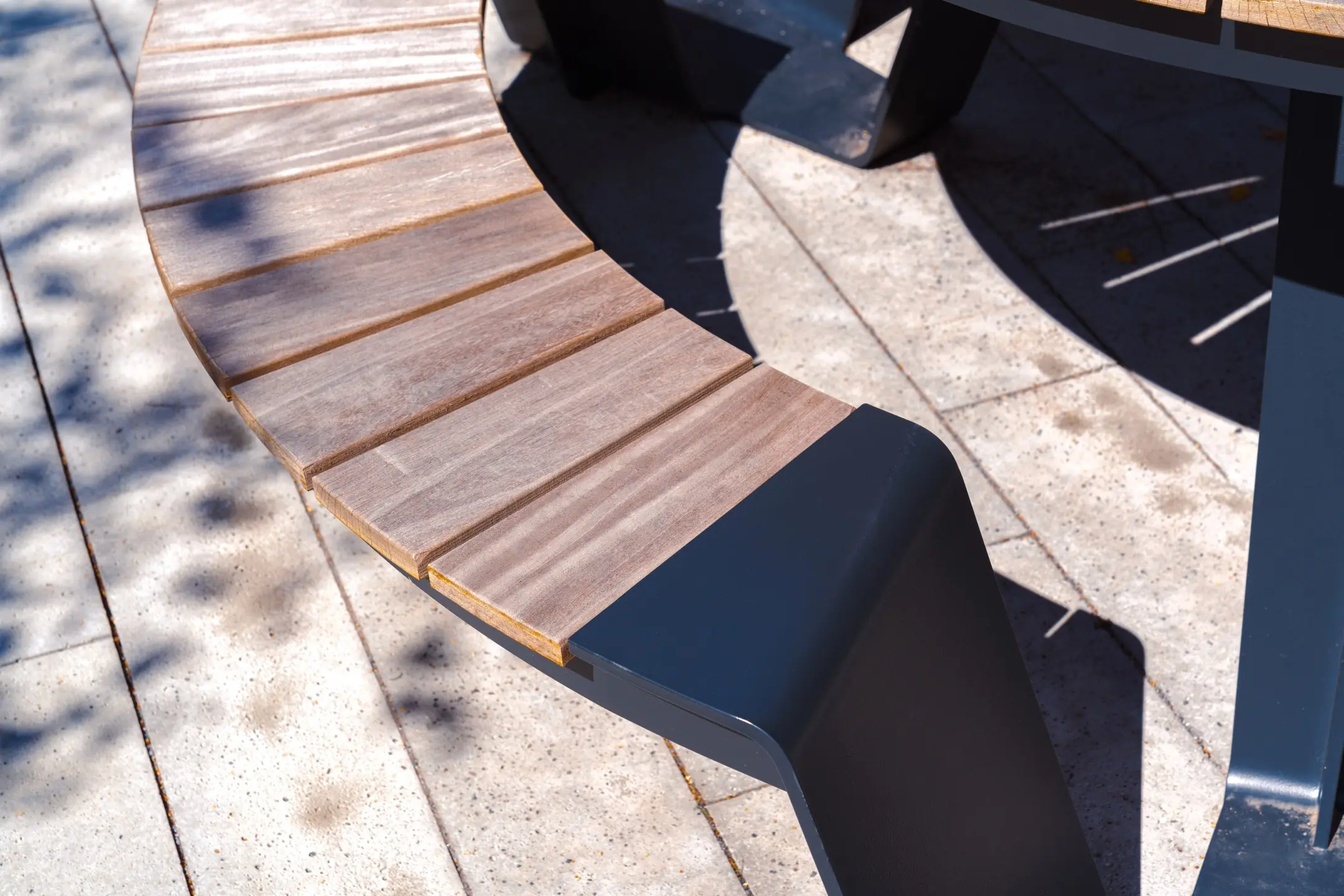
BestBridges is fully committed to hybrid structures, in which different materials are purposefully combined to make optimal use of their specific strengths. By strategically using materials such as steel, wood, and composites, we create structures with high structural efficiency, minimal maintenance requirements, and a long service life. The choice of the primary load-bearing structure and secondary elements is determined based on the environment, the bridge’s life cycle, maintenance requirements, and the client’s preferences.
Our bridges are designed so that the deck and railing can be replaced separately. That means repairing instead of replacing. And recycling at the end. And we go beyond just the design.
Reuse of Tropical Hardwood
We recover hardwood (Azobé, Bilinga) from discarded marine structures (locks, quay walls) and give it a second life on walkways and in wooden bridges. This means less waste and no demand for new tropical wood.
Modular design
Components that can be replaced or reused individually without dismantling the bridge.
Sustainable materials for bridges
No material is perfect. That’s precisely why, as a material-neutral partner, we can be honest about both the strengths and the weaknesses. That’s the essence of a well-considered choice.
Wood is a natural building material with a warm appearance that stores CO₂ as it grows. With the right choice of hardwood species, thoughtful design, and periodic maintenance, it offers a long service life and blends harmoniously into both natural and urban environments.
Composite is an innovative fiber-reinforced building material that does not rot, does not corrode, and requires little maintenance. Thanks to its low weight, long service life, and high durability, it is particularly well-suited for use in challenging environments.
Steel is a strong and versatile building material that is ideal for slender structures and long spans. Thanks to its high load-bearing capacity, proper preservation, and periodic maintenance, it offers a long service life and reliable performance.
Renovating an existing structure eliminates the entire environmental footprint of a new bridge from the foundation to the steel to transportation. Whenever possible, preserving and reinforcing the structure is the greenest choice. And we’ll be honest with you when replacement is actually the better option.
Sustainability from the very first step in your project specifications?
BestBridges LAB runs the numbers for you. We compare lifespan, maintenance, and cost so that your sustainable choice is supported by solid data in your proposal.