
Wood is a natural building material with a warm, timeless appearance. Depending on the application, we choose either tropical or European hardwood in Durability Class 1. With a well-thought-out maintenance plan, a wooden bridge will retain its quality, safety, and character for many years.
What is the right choice of material for your bridge?
Hout is een natuurlijk bouwmateriaal met een warme, tijdloze uitstraling. Afhankelijk van de toepassing kiezen we voor tropisch of Europees hardhout van duurzaamheidsklasse 1. Met een doordacht onderhoudsplan behoudt een houten brug jarenlang haar kwaliteit, veiligheid en karakter.
Composietbruggen combineren innovatie met duurzaamheid. Dankzij de gepatenteerde InfraCore®-technologie zijn ze lichtgewicht, onderhoudsarm, corrosiebestendig en ontworpen voor een lange levensduur met minimale onderhoudskosten.
Staal is bijzonder geschikt voor bruggen met grote overspanningen, hoge belastingen en een slanke, architecturale vormgeving. Het materiaal biedt veel ontwerpvrijheid en een hoge constructieve sterkte. Een doordacht conserveringssysteem en periodiek onderhoud beschermen de brug tegen corrosie en verlengen de levensduur.
Wooden bridges: all the benefits at a glance
Types of wood
Hardwood or modified wood
Deck and non-slip surface
Milled profile or anti-slip strips
Durability Class
Classes 1 and 2, depending on the species
Weight
Light: limited foundation load
Origin
FSC®- or PEFC-certified
Production
Prefabricated at plant
Sustainability
See Frequently Asked Questions
Maintenance
Periodic inspection and maintenance
Connections
Steel connections, concealed or exposed
Recycling
End of life
Comfort, veiligheid en levensduur als uitgangspunt. Een fietsbrug vraagt om meer dan een sterk ontwerp. Comfort, veiligheid, belastingen en levensduur bepalen de kwaliteit van de brug. Daarom ontwerpen, engineeren, produceren en plaatsen wij fietsbruggen op maat in hout steeds met de meest geschikte materiaalkeuze voor uw project.
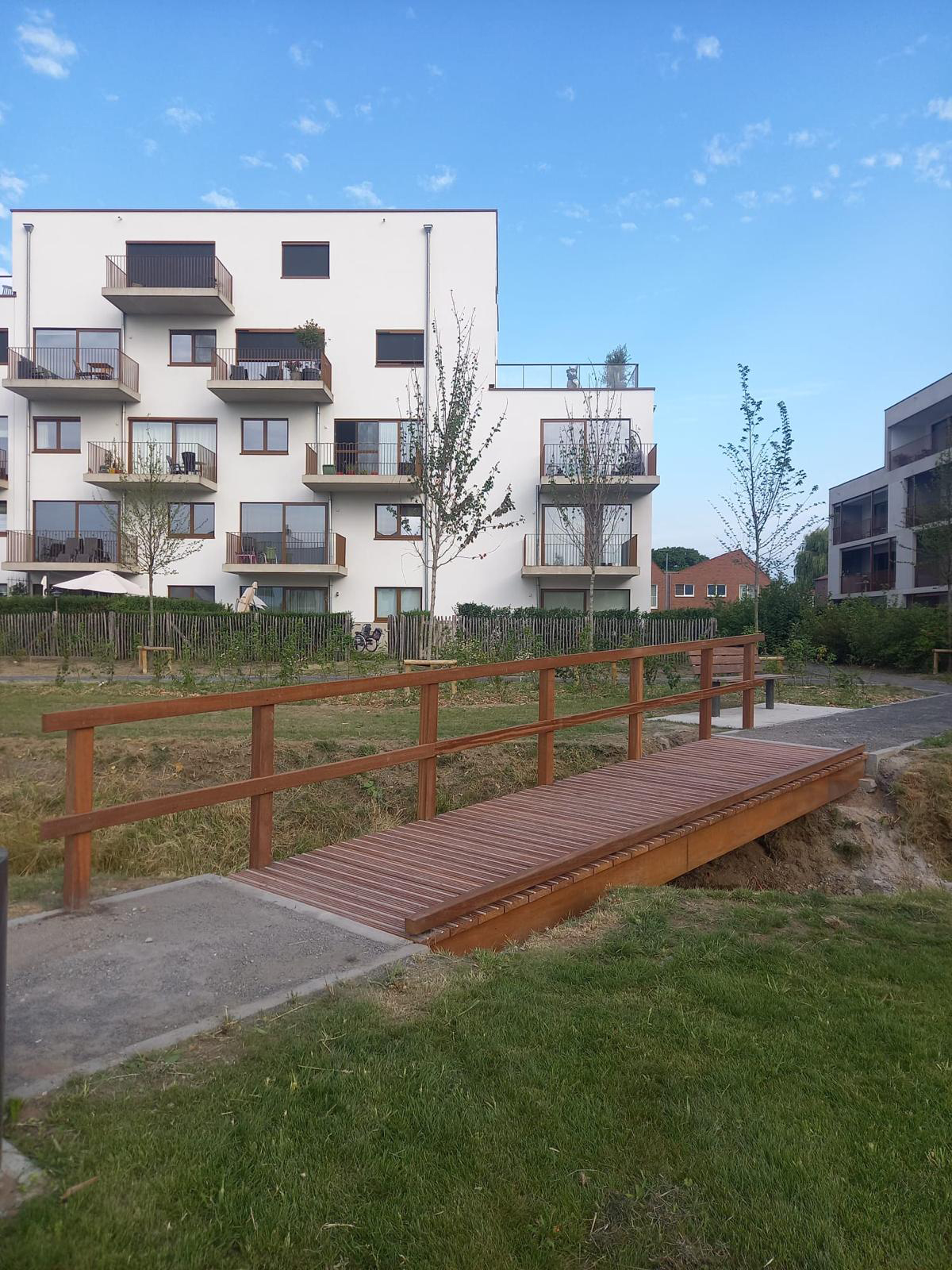
Een voetgangersbrug moet niet alleen veilig en functioneel zijn, maar ook mooi aansluiten bij haar omgeving. BestBridges ontwerpt, engineert, produceert en plaatst voetgangersbruggen in hout met aandacht voor toegankelijkheid, duurzaamheid en onderhoud.
Wood is a renewable resource that stores CO₂ as it grows. When you choose responsibly sourced hardwood and a well-thought-out maintenance plan, a wooden bridge offers a long service life and a low environmental impact. On the other hand, periodic inspections and maintenance are necessary to preserve its quality and appearance over the long term. We clearly outline the investment, maintenance, and lifecycle costs so that you can make an informed choice of materials.
Browse our portfolio of projects.
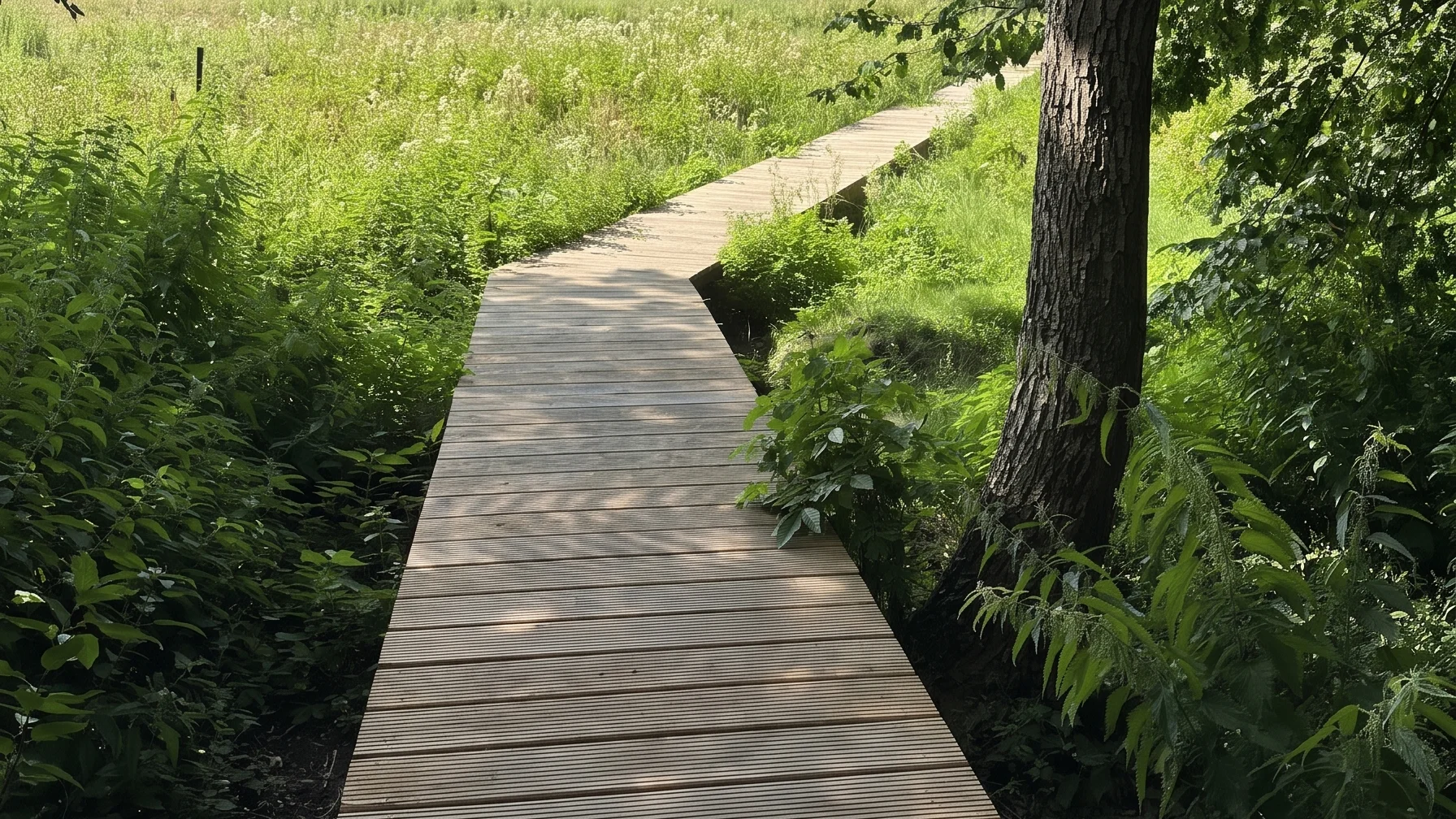
Pedestrian BridgeStreet FurnitureWalkwayWood

LABPedestrian BridgeWood
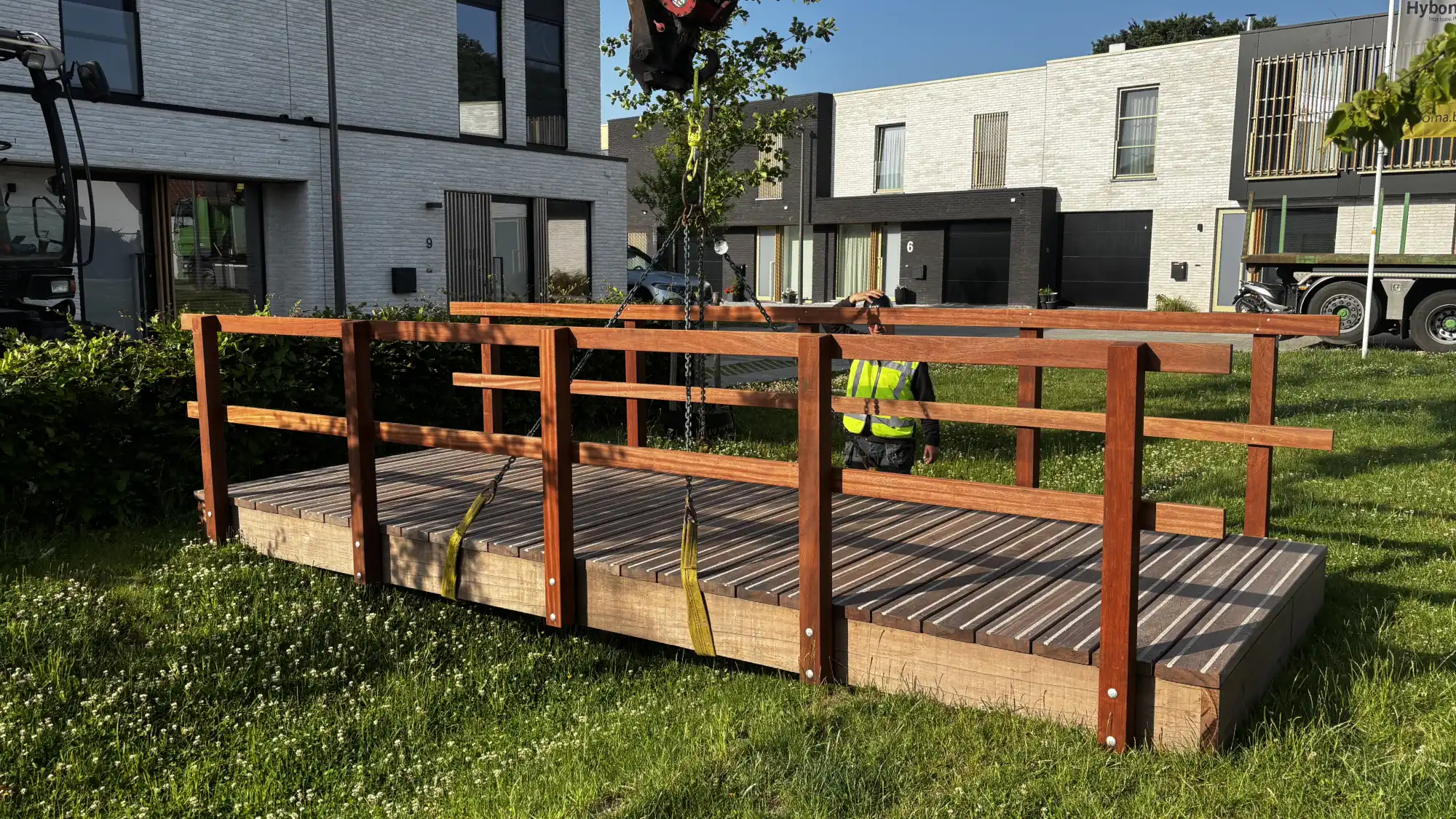
Pedestrian BridgeWood
Custom-made wooden bridge?
Send us your preliminary design or idea. You’ll receive an initial assessment of feasibility and budget. This way, you can start the bidding process with fewer worries.




Are you having trouble figuring something out? Or do you have a question that isn’t listed here? We’d love to hear from you. Just get in touch with us.
There is no single “best” type of wood for a bridge. Azobé is the gold standard thanks to its high strength and long lifespan, while European oak is primarily used for smaller bridges and landscape projects. 80–90% of wooden bridges are built with tropical hardwood, and 10–20% are built with European wood.
A wooden bridge lasts an average of 30 to 50 years. Its ultimate lifespan depends on the type of wood, the design, the construction details, the load, the environment, and maintenance. With the right choice of materials and a good design, a wooden bridge can serve reliably for decades.
A wooden bridge requires minimal, periodic maintenance. A well-thought-out design is just as important. A span that is too long or improper detailing can lead to excessive deflection, moisture buildup, and a shorter service life for the bridge.
Our bridge decks can be equipped with one, two, or three milled grip strips made of epoxy resin. These provide extra traction, ensuring that the bridge remains safe to walk on even in wet weather.
Up to about 8 meters, park and pedestrian bridges are often constructed entirely of wood, depending on the load requirements. For larger spans, we usually opt for a hybrid solution featuring a steel support structure and a wooden finish. This allows us to combine the natural look of wood with the strength, slenderness, and durability of steel.
Composiet is een hoogwaardig vezelversterkt materiaal dat niet roest, niet rot en nauwelijks onderhoud vereist. Dankzij de lange levensduur, de lage onderhoudskosten en de innovatieve InfraCore®-technologie is een composietbrug de ideale keuze voor wie kiest voor innovatie, duurzaamheid en prestaties.
Staal is bijzonder geschikt voor bruggen met grote overspanningen, hoge belastingen en een slanke, architecturale vormgeving. Het materiaal biedt veel ontwerpvrijheid en een hoge constructieve sterkte. Een doordacht conserveringssysteem en periodiek onderhoud beschermen de brug tegen corrosie en verlengen de levensduur.
